
Salads
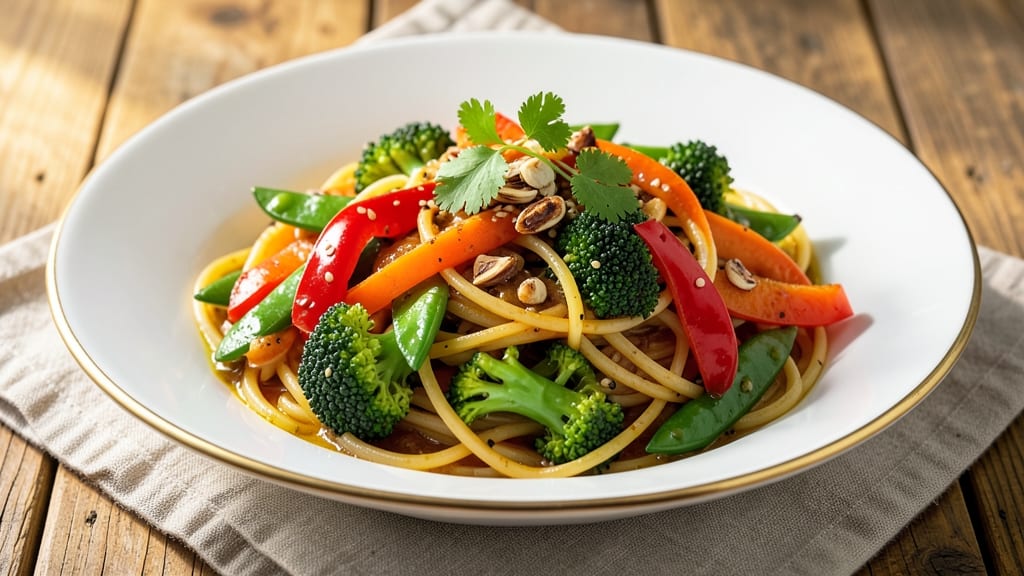
This veggie pasta stir fry recipe transforms simple ingredients into a restaurant-worthy meal in just 20 minutes. The secret lies in high-heat wok-frying, which creates crisp-tender vegetables that stay vibrant and packed with flavor.
I developed this dish after realizing how quickly fresh produce could become mushy—until I cracked the timing. What sets this stir fry apart is the balance of textures and flavors: al dente pasta, crisp edges on vegetables, and a savory-sweet sauce that ties everything together.
The technique is straightforward but critical—properly prepping the vegetables (cutting them evenly) ensures they cook uniformly, so nothing turns to mush while you're finishing the sauce. By the end, you'll have a dish that's hearty enough to stand alone but light enough for a summer meal.
The aroma of garlic and ginger sizzling in the pan, combined with the bright colors of the vegetables, makes this one of those dishes that feels special without requiring fancy ingredients. Serve it with a sprinkle of sesame seeds and fresh herbs for an extra layer of freshness.
This recipe works equally well as a weeknight dinner or a meal prep solution—just store leftovers in the fridge for up to three days. The flavors actually improve as the sauce melds with the pasta, making it perfect for busy schedules or when you want something healthy but satisfying.
Let's get cooking!
Ingredients for veggie pasta stir fry
Fresh vegetables and aromatic spices transform simple pasta into a restaurant-quality stir fry.
| Ingredient | Amount | Notes |
|---|---|---|
| Spaghetti 🍝 | 8 oz | Dry, al dente preferred |
| Bell Peppers 🌶️ | 2 whole | Red/yellow, sliced into strips |
| Broccoli Florets 🥦 | 2 cups | Medium, cut into bite-sized |
| Snap Peas 🌱 | 1 cup | Fresh or frozen, trimmed |
| Carrots 🥕 | 2 whole | Julienned into matchsticks |
| Garlic Cloves 🧄 | 4 cloves | Minced, fresh preferred |
| Fresh Ginger 🌿 | 1 tbsp | Grated, aromatic variety |
| Sesame Oil 🫒 | 1 tbsp | Toasted, for aroma |
| Vegetable Oil 🫒 | 2 tbsp | High smoke point |
| Low-Sodium Soy Sauce 🍶 | 3 tbsp | Kikkoman preferred |
| Honey 🍯 | 1 tbsp | Wildflower preferred |
| Sesame Seeds 🌰 | 1 tbsp | Toasted, for garnish |
| Fresh Cilantro 🌿 | ¼ cup | Chopped, for garnish |
| Red Pepper Flakes 🌶️ | ½ tsp | For heat adjustment |
| Diamond Crystal Kosher Salt 🧂 | ¾ tsp | For seasoning |
The vegetables are the heart of this dish—freshness is non-negotiable. For the bell peppers, look for firm, vibrant ones at Whole Foods or your local farmers market—they should snap when bent. Broccoli should have tightly closed florets with no yellowing. Snap peas are best when bright green and crisp, while carrots should be firm with no soft spots. Pre-cut veggies from the store work in a pinch, but whole, fresh produce always delivers better texture. The garlic and ginger should be freshly grated or minced—pre-minced garlic lacks the aromatic punch needed for high-heat stir-frying. If you're short on time, frozen snap peas (thawed and drained) are a great substitute—they hold up well to the cooking process.
No sesame oil? Toasted peanut oil or avocado oil will work just as well for the initial stir-fry. Swap the honey for maple syrup or agave nectar if you're avoiding it, though honey adds a subtle depth. The soy sauce can be tamari for gluten-free, but reduce the amount slightly as it's more concentrated. For extra umami, add 1 tsp of vegetarian oyster sauce or a splash of mushroom broth. If you're using pre-cut vegetables, pat them completely dry with a kitchen towel before cooking—they'll crisp up much better. The pasta should be al dente when cooked; undercooking it slightly ensures it holds up during the stir-fry process. For a nut-free option, omit the sesame seeds and garnish with extra cilantro instead.
This stir fry reheats beautifully—store leftovers in an airtight container for up to 3 days. The flavors actually deepen as the sauce melds with the pasta, making it perfect for meal prep. For longer storage, freeze portions for up to 2 months; thaw overnight in the fridge before reheating. To reheat, add a splash of water or vegetable broth and stir-fry for 2-3 minutes to revive the crispness. The sesame seeds and cilantro are best added fresh after reheating to preserve their aroma. Portion into individual containers for quick lunches—just microwave for 1-2 minutes and garnish before serving.
Why You'll Love This Recipe
- One-Pot Magic: I swear by this—just toss everything in one pan, stir, and walk away. No dirty dishes, no stress, and the broccoli and snap peas stay crisp enough to bite into. (Yes, even when I burn the garlic sometimes.)
- Umami Bomb: That crispy edge on the bell peppers and carrots? Pure satisfaction. A splash of soy sauce and a pinch of red pepper flakes turn this into something dangerously addictive—way better than takeout, honestly.
- Lunchbox Hero: Between us, this is my go-to for meal prep. Cook a big batch, portion it into containers, and you’ve got lunch for three days. The spaghetti holds up, the veggies don’t get soggy, and my kids actually eat it. (Small miracles.)
- Budget Win: Bell peppers and carrots last forever, and snap peas are cheap in season. I make this twice a month, and it’s always my wallet’s favorite meal—no fancy ingredients, just flavor that punches way above its price.
Step-by-step instructions for wok-fired veggie pasta
Master this technique for perfectly crisp-tender vegetables and al dente pasta every time.
Prepare and Cook the Spaghetti Al Dente
Bring a large pot of water to a rolling boil and add the 8 oz spaghetti. Stir immediately to prevent sticking, then add 0.75 tsp Diamond Crystal Kosher Salt—this ensures the pasta absorbs flavor throughout cooking. Cook for 1 minute less than package instructions (typically 8-9 minutes for al dente).
I always reserve 1 cup of pasta water before draining—this starchy liquid is essential for creating a silky sauce later. Drain the pasta and return it to the pot, tossing with 1 tbsp toasted sesame oil. This step prevents sticking and adds subtle nutty aroma. Cover to keep warm while you prepare the stir-fry.
Prep Vegetables for Optimal Texture
Slice the 2 whole bell peppers into ¼-inch strips and cut the 2 cups broccoli florets into bite-sized pieces. Trim the 1 cup snap peas and peel the 2 whole carrots, then julienne them into matchsticks. Mince the 4 cloves garlic cloves and grate the 1 tbsp fresh ginger. Keep all vegetables separate until ready to cook.
The key to crisp-tender vegetables lies in proper prep: uniform sizes ensure even cooking. I recommend cutting broccoli into ½-inch florets and carrots into 2-inch matchsticks—this balance maximizes surface area for quick searing while maintaining structural integrity. Have everything prepped and ready before you start cooking.
Build the Stir-Fry Sauce and Sear Aromatics
In a large wok or skillet, heat 2 tbsp vegetable oil over high heat until shimmering. Add the minced garlic cloves and grated fresh ginger, stirring constantly for 30 seconds until fragrant but not browned. This quick cooking preserves their bright flavors rather than burning them.
Reduce heat to medium-high and add 3 tbsp low-sodium soy sauce and 1 tbsp honey. Stir to combine, then add 0.5 tsp red pepper flakes and 1 tbsp toasted sesame oil. Let the sauce simmer for 1 minute until slightly thickened—this creates the perfect balance of salty, sweet, and slightly spicy.
Stir-Fry Vegetables in Stages for Perfect Texture
Working in batches to avoid crowding, add the bell peppers first and stir-fry for 2 minutes until just tender. Remove and set aside, then add the broccoli florets and carrots. Stir-fry for 3 minutes until bright green and slightly charred in spots. Finally, add the snap peas and cook for 1 minute until vibrant and crisp.
This staged approach ensures each vegetable achieves optimal texture—bell peppers get their time to soften slightly, while broccoli and carrots develop that coveted crisp-tender bite. The snap peas finish last to maintain their snap. Keep everything moving constantly for even cooking.
Combine and Finish with Fresh Herbs
Return all vegetables to the wok and add the cooked spaghetti. Toss everything together, adding ½ cup of reserved pasta water as needed to create a silky sauce that coats all ingredients. Cook for 1-2 minutes until everything is well combined and heated through.
Remove from heat and stir in the 0.25 cup chopped fresh cilantro and 1 tbsp toasted sesame seeds. Serve immediately, garnished with additional sesame seeds if desired. The dish should be vibrant, aromatic, and perfectly balanced with tender vegetables, al dente pasta, and a glossy sauce.
Pro Tips For Making Veggie Pasta Stir Fry
- COOK PASTA AL DENTE FIRST: I used to toss the pasta in raw—big mistake. Cook spaghetti 1 minute less than package instructions, drain, and rinse with cold water. The starch clings to the veggies later, making the stir-fry silky instead of mushy.
- CUT VEGETABLES UNIFORMLY: Bell peppers in thick strips? Snap peas whole? That’s how you end up with half the dish undercooked. Slice everything into ½-inch pieces—peppers, carrots, even broccoli florets cut smaller at the base. They’ll cook in the same 3-4 minutes.
- DON’T OVERCROWD THE PAN: I learned this the hard way—dumping all the veggies in at once just steams them instead of searing. Stir-fry in batches: peppers and carrots first (they take longer), then snap peas and broccoli. A hot, slightly crowded pan gives better color, but not this crowded.
- USE A SPLASH OF PASTA WATER: Right before tossing everything together, add 2-3 tablespoons of starchy pasta water. It glues the veggies and pasta into one cohesive, saucy bite—no dry, separate piles here. (Yes, even if you’re impatient like me.)
Best sauces and condiments for these flavors
Classic Soy-Ginger Base
This foundational sauce uses 3 tbsp low-sodium soy sauce and 1 tbsp honey for that perfect balance of salty and sweet. I like to add ½ tsp red pepper flakes for a subtle kick—adjust to taste.
For extra depth, toast 1 tsp sesame seeds in the wok before adding aromatics to infuse the sauce with nutty flavor. 🌶️
Pro tip: Simmer the sauce for 1-2 minutes after adding aromatics to reduce slightly—this creates a glossy finish that clings beautifully to the pasta. If your sauce is too thin, stir in 1 tsp cornstarch mixed with 1 tbsp water to thicken it up.
Creamy Sesame Twist
For a richer texture, blend ¼ cup tahini with 2 tbsp soy sauce, 1 tbsp rice vinegar, and 1 tsp grated ginger. Thin with 2 tbsp water until smooth.
This sauce adds a luxurious creaminess while keeping the dish vegetarian. Garnish with toasted sesame seeds and chopped scallions for extra flair.
I discovered this variation after craving something more substantial than traditional stir-fry sauces. The tahini brings a nutty richness that pairs perfectly with the crisp-tender vegetables and al dente pasta. 🥄
Spicy Chili-Lime Zing
Brighten up your stir fry with a chili-lime sauce made from 2 tbsp lime juice, 1 tbsp sriracha, 1 tbsp honey, and 1 tsp minced jalapeño.
This tangy, spicy sauce cuts through the richness of the pasta beautifully. Add it at the very end to preserve the vegetables' vibrant colors.
For a milder version, reduce the sriracha to ½ tbsp and add ½ tsp lime zest for an extra citrusy punch. This sauce works especially well with bell peppers and snap peas, which stand up to the bold flavors.
Umami Mushroom Boost
Sauté ½ cup finely chopped shiitake mushrooms in the wok until golden before adding your aromatics. Deglaze with 2 tbsp soy sauce and 1 tbsp mirin, then reduce by half. This umami-packed sauce adds a meaty depth that vegetarian diners will love. 🍄
For an even deeper flavor, add 1 tsp vegetarian oyster sauce to the mushroom mixture. The mushrooms absorb the sauce beautifully, creating a rich base that ties all the ingredients together.
Sweet and Tangy Peanut Sauce
Blend ¼ cup creamy peanut butter, 2 tbsp soy sauce, 1 tbsp rice vinegar, 1 tbsp honey, and 1 tsp grated ginger until smooth. Thin with 2-3 tbsp water as needed. This sauce adds a delightful contrast to the savory vegetables and pasta. 🥜
For extra crunch, top with crushed peanuts and thinly sliced red onion. This variation is inspired by Thai flavors and adds a fun twist to the classic stir-fry concept.
Nutrition facts
Frequently asked questions
Can I use any pasta shape for this stir fry?
Long pasta shapes like spaghetti, linguine, or fettuccine work best because they coat easily in the sauce and maintain their structure during stir-frying. For shorter shapes like penne or farfalle, cook them 1 minute less than usual to prevent overcooking. Avoid delicate pastas like angel hair—they'll turn mushy when tossed with vegetables.
How do I prevent the vegetables from getting soggy?
Pat all vegetables completely dry with a kitchen towel before cooking—the moisture steams them instead of searing. Also, stir-fry in small batches to avoid crowding the pan, and use high heat to create a wok hei (breath of the wok) effect. Cook each vegetable just until tender-crisp, then remove it from the pan. This staged approach keeps everything vibrant.
What's the best way to add protein to this dish?
For plant-based protein, try crispy baked tofu cubes (tossed in soy sauce and cornstarch) or lentils (cooked until tender). Add them with the snap peas at the end to warm through. For extra umami, use shiitake mushrooms or tempeh—both hold up well to high heat. Cook protein separately first to avoid drying it out.
Can I make this ahead of time?
Yes! Assemble everything except the sesame seeds and cilantro, then store in an airtight container for up to 3 days. Reheat gently with a splash of water or broth to revive the sauce. For best texture, add fresh garnishes after reheating. For freezing, portion into individual containers and freeze for up to 2 months. Thaw overnight in the fridge before reheating.
What if I don't have a wok?
A heavy-bottomed skillet or large frying pan works perfectly—just make sure it's wide enough to avoid overcrowding. The key is maintaining high heat and keeping ingredients moving constantly. If your pan isn't wide, cook in two batches to achieve the same crisp-tender texture. A cast iron skillet actually works even better for retaining heat!