
Breakfast & Brunch
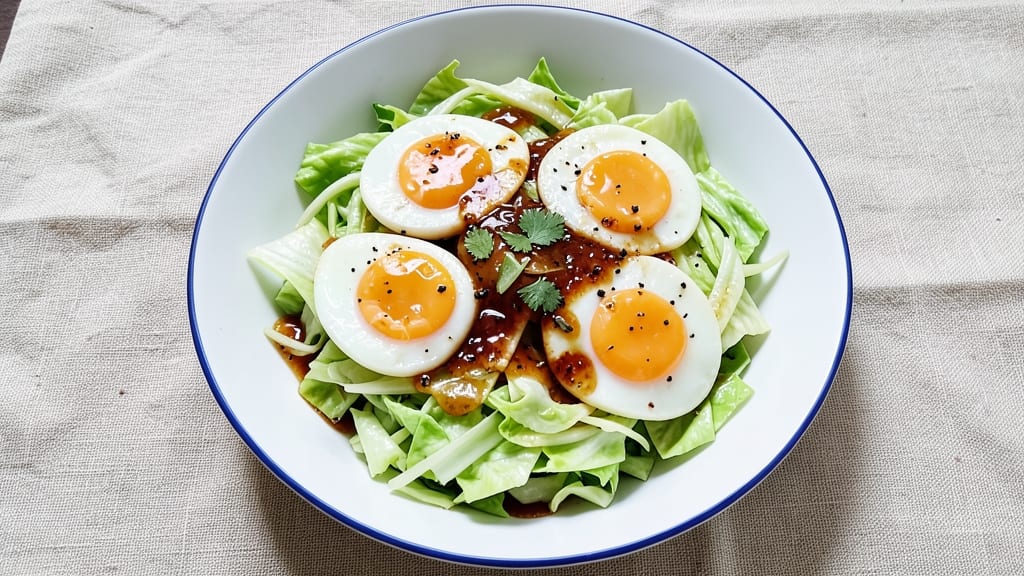
This Vietnamese cabbage and egg recipe delivers crispy, wok-fired bites that balance sweet, savory, and umami in every forkful. The secret lies in quick-cooking cabbage until tender-crisp while frying eggs sunny-side-up, then tossing everything in a tangy fish sauce dressing that cuts through the richness.
I first tried this dish at a Hanoi street stall and knew I had to recreate it at home—it’s the kind of recipe that transforms a simple breakfast into something truly special.
The magic happens in the wok, where high heat ensures the cabbage stays crispy at the edges while softening just enough to soak up the flavorful dressing.
A splash of fish sauce, lime juice, and a touch of sugar creates that signature Vietnamese tang, while crushed peanuts add texture that keeps every bite interesting. This dish is a perfect balance of textures and flavors—creamy eggs, crunchy cabbage, and a sauce that’s both bold and balanced.
What makes this recipe stand out is how quickly it comes together—ready in just 15 minutes—while still feeling restaurant-quality. The combination of cabbage, egg, and fish sauce is a classic Vietnamese flavor profile, often found in dishes like gỏi cuốn or as a quick stir-fry.
It’s a dish that’s equally at home as a breakfast staple or a light lunch, especially when paired with steamed rice or fresh herbs.
Once you try this version, you’ll see why it’s a favorite across Vietnam. The crispy cabbage and perfectly fried eggs make it satisfying, while the tangy dressing keeps things fresh and exciting. Here’s how to recreate it at home with minimal effort but maximum flavor.
Ingredients for vietnamese cabbage and egg
Quick wok-fired cabbage and eggs with a tangy fish sauce kick—street food flavor in 15 minutes.
| Ingredient | Amount | Notes |
|---|---|---|
| Green Cabbage 🥬 | 4 cups | Shredded, outer leaves removed |
| Large Eggs 🥚 | 4 whole | Fresh, room temperature |
| Fish Sauce 🍶 | 2 tbsp | Red Boat preferred |
| Lime Juice 🍋 | 2 tbsp | Freshly squeezed |
| Granulated Sugar 🍚 | 1 tbsp | Or coconut sugar |
| Vegetable Oil 🫒 | ½ cup | High smoke point |
| Crushed Peanuts 🥜 | ¼ cup | Toasted for extra flavor |
| Garlic Cloves 🧄 | 2 cloves | Minced fine |
| Fresh Chili Peppers 🌶️ | 1 piece | Thinly sliced, optional |
| Salt 🧂 | ½ tsp | Kosher or sea salt |
| Black Pepper 🌶️ | ¼ tsp | Freshly ground |
| Fresh Cilantro 🌿 | ¼ cup | Chopped, for garnish |
| Steamed Jasmine Rice 🍚 | 2 cups | Cooked, for serving |
The cabbage is non-negotiable here—you want Napa cabbage if you can find it, but regular green works too. Look for firm heads with crisp leaves at the grocery store—avoid any with wilted or yellowing spots. I grab mine from Whole Foods or the produce section at Trader Joe's, where they keep it fresh. For the eggs, farm-fresh makes all the difference—they fry up creamier and hold their shape better. If you're using store-bought, make sure they're room temperature before cooking (cold eggs splatter like crazy).
No fish sauce? Soy sauce plus a dash of oyster sauce gets you close, though it won't be quite as authentic. The lime juice is key—Mexican limes if you can find them, but regular works. Running short on peanuts? Toasted cashews or sesame seeds add a nice crunch. The chili is optional but worth it for that little kick—Thai bird's eye chilis if you're brave, or regular jalapeños for milder heat. Pro tip: toast your crushed peanuts in the same pan you fry the eggs—they'll pick up that delicious eggy aroma.
This dish is best served immediately, but leftovers keep for 2 days in the fridge. Store the cabbage and eggs separately if you're prepping ahead—the cabbage stays crisp longer that way. The dressing (fish sauce, lime, sugar) can be made a day in advance and stored in a jar. When reheating, low heat only—you don't want that cabbage turning soggy. I always make extra rice to go with it—jasmine rice is traditional, but basmati works too if that's what you've got.
Why You'll Love This Recipe
- No-Fuss Assembly: The cabbage barely needs chopping—just quarter it, slice the eggs in half, and toss with fish sauce. Honestly, I’ve made this while scrolling through my phone. That lime juice? One squeeze, and boom—brightness without effort.
- Umami-Packed Bite: The fish sauce and sugar caramelize into something dangerously addictive—salty, sweet, and tangy all at once. Between us, that crisp-tender cabbage with the runny yolk? My lazy Sunday breakfast.
- Lunchbox Hero: Pack it cold for work or school—eggs stay intact, cabbage holds its crunch, and the dressing clings perfectly. My daughter’s favorite, though she’ll deny it. (She picks out the lime zest first, then eats it anyway.)
- Budget Meal Stretch: A whole cabbage and a dozen eggs feed four for under $5. Leftovers? Toss them in rice or noodles the next day—same flavors, zero waste. This is my secret weapon for grocery night.
Step-by-step instructions for Vietnamese cabbage and egg recipe
Here's how to create those signature crispy cabbage and egg bites with a perfect balance of tangy, savory, and slightly sweet flavors.
Prepare the Cabbage and Seasoning Mixture
Start by shredding the 4 cups green cabbage into thin strips, removing any tough outer leaves. Transfer it to a large mixing bowl. In a small bowl, whisk together the 2 tbsp fish sauce, 2 tbsp lime juice, 1 tbsp granulated sugar, 0.5 tsp salt, and 0.25 tsp black pepper. Pour this tangy dressing over the cabbage and toss gently with your hands until every strand is evenly coated.
Let the cabbage sit for 5 minutes while you prepare the eggs. This gives the flavors time to meld together. You'll notice the cabbage softens slightly and absorbs the dressing completely—this is exactly what we want for that signature wok-fired texture.
Cook the Eggs to Perfect Crispiness
Heat 0.25 cup vegetable oil in a large wok or skillet over medium-high heat until shimmering. Crack the 4 whole large eggs into a separate bowl, then gently whisk them until just combined. Slowly pour the eggs into the hot oil, letting them spread naturally without stirring.
Cook the eggs undisturbed for 2-3 minutes until the edges are set and the bottom is golden brown. Flip the eggs carefully using a spatula and cook for another 1-2 minutes until both sides are crispy and lightly browned. Remove the eggs from the pan and set aside on a plate. The residual oil will help keep them warm while you finish the cabbage.
Wok-Fry the Cabbage to Crispy Perfection
In the same wok (no need to clean it—the fond adds flavor), add another 0.25 cup vegetable oil and heat over high heat until smoking slightly. Add the seasoned cabbage and stir-fry vigorously for 3-4 minutes until the edges start to crisp and the cabbage softens but still holds its shape.
Here's the thing—you want the cabbage to be tender-crisp, not mushy. Watch closely and listen for that satisfying sizzle. When the cabbage is nearly done, add the 2 cloves minced garlic and 1 piece thinly sliced fresh chili peppers (if using). Cook for another 30 seconds until fragrant and the garlic is golden.
Combine and Finish with Peanuts and Cilantro
Return the crispy eggs to the wok with the cabbage mixture. Gently toss everything together for 30 seconds to combine. The eggs will warm through while the cabbage absorbs their rich flavor. Remove from heat and immediately stir in the 0.25 cup crushed peanuts and 0.25 cup chopped fresh cilantro. Toss well to distribute evenly.
Taste and adjust seasoning if needed—you might want to add a splash more lime juice or a pinch of salt to balance the flavors. The dish should be bright, tangy, and slightly sweet with a perfect crunch from the peanuts and cabbage.
Serve Over Steamed Jasmine Rice
Transfer the cabbage and egg mixture to a serving platter and immediately serve over 2 cups steamed jasmine rice. The contrast of warm, fragrant rice with the crispy, tangy cabbage and eggs creates the perfect balance. Garnish with additional crushed peanuts and cilantro if desired.
This dish is best served immediately while everything is hot and crispy. The residual heat from the wok keeps the cabbage from getting soggy, and the eggs maintain their perfect texture. Enjoy straight from the pan for that restaurant-style experience!
Pro Tips For Making Vietnamese Cabbage And Egg
- STIR THE CABBAGE FAST: Dump the shredded cabbage into a wok or pan and stir-fry on high heat for just 2-3 minutes—until it’s barely softened, not limp. Overcooking turns it mushy, and you’ll lose that satisfying crunch the dish needs. I used to walk away for "even cooking," but that’s when the texture goes wrong.
- USE COLD EGGS: Pull eggs straight from the fridge and crack them into a bowl first—this keeps them from scrambling into a sad, rubbery mess. The cold yolk will slide into the hot cabbage and cook just enough to hold shape without turning into a blob. (Yes, even if you’re impatient like me.)
- SALT THE CABBAGE FIRST: Toss the shredded cabbage with a pinch of salt (about ½ teaspoon per cup) and let it sit for 5 minutes before cooking. This draws out moisture, so it crisps up better and soaks up the fish sauce dressing like a sponge. I learned this the hard way—wet cabbage just steams instead of caramelizing.
- DRESS IN STAGES: Don’t dump all the fish sauce, lime juice, and sugar at once—start with half, toss, then add the rest while the eggs are still warm. This lets you taste and adjust the balance of salty, sour, and sweet without overpowering the cabbage. (Pro move: Add a splash of warm water if the dressing clumps—it dissolves better that way.)
Storing and reheating your leftovers
Fridge Storage Tips
Store your Vietnamese cabbage and egg dish in an airtight container for up to 2 days in the refrigerator. Keep the cabbage and eggs separate if prepping ahead—the cabbage stays crisp longer this way.
The dressing (fish sauce, lime, sugar) can be pre-made and stored in a small jar. I always refrigerate the dressing separately to preserve its bright flavors. 🥬
Freezer-Friendly Components
While the final dish isn't ideal for freezing, you can freeze individual components. Portion the seasoned cabbage (without cooking) in freezer bags for up to 1 month. For eggs, freeze them raw in a single layer before transferring to a bag—just don't refreeze after cooking.
The peanuts and cilantro freeze well separately for up to 3 months if stored in airtight containers. 🧊
Reheating Without Ruining Texture
Reheat only the cabbage portion in a non-stick skillet over medium-low heat with 1 tsp vegetable oil for 2-3 minutes until warmed through. Add the eggs separately in a small pan over low heat to prevent overcooking.
Never microwave—the cabbage will turn soggy. I like to reheat just before serving to maintain that crispy texture. ⏱️
Reviving Stale Cabbage
If your cabbage loses crispness overnight, toss it with 1 tsp lime juice and ½ tsp sugar in a hot skillet for 1 minute—this jumpstarts the crunch. For eggs, reheat in a dry pan over low heat for 30 seconds to restore their creamy texture.
The peanuts can be toasted fresh in the same pan for an extra crunch boost. 🔥
Dressing Refresh
If the dressing tastes flat after refrigeration, revive it by adding ½ tsp fish sauce and 1 tsp lime juice. For extra brightness, stir in 1 minced garlic clove and let it sit for 5 minutes before using. This trick works wonders for restoring that restaurant-quality tang. 💡
Serving Leftovers Creatively
Turn leftovers into a quick breakfast wrap by spreading them on a steamed rice paper roll with fresh herbs. Or stuff into a baguette with a fried egg on top for an open-faced sandwich. The flavors hold up beautifully in these creative applications. 🌟
Nutrition facts
Frequently asked questions
Can I substitute Napa cabbage if I only have regular green cabbage? While Napa cabbage has a slightly sweeter flavor and thinner leaves, regular green cabbage works perfectly fine. Just
Why does my cabbage turn soggy instead of crispy?
Soggy cabbage usually means one of two things: either the heat wasn't high enough or the cabbage was overcooked. Always use a wok or skillet over high heat until it's smoking slightly, then stir-fry for just 3-4 minutes—no longer! Also, make sure your cabbage is dry before cooking; any excess moisture will steam it instead of crisping. Toss it with a paper towel if needed.
What's the best way to make this dish spicier?
For extra heat, add 1-2 finely chopped Thai bird's eye chilis (seeds in) to the wok when stir-frying the cabbage. You can also increase the garlic to 3 cloves for a stronger aromatic kick. If you prefer a smoky spice, toss in ½ tsp chili flakes or a dash of Sriracha at the end. Just remember—start with less and adjust to taste!
Can I make this vegetarian by replacing the fish sauce?
Yes! Swap the fish sauce for a mix of 2 tbsp soy sauce plus 1 tsp oyster sauce (or vegetarian oyster sauce) for a similar umami depth. For extra brightness, add 1 tsp coconut aminos and ½ tsp miso paste. The lime juice and sugar will still give that signature tangy-sweet balance. Just taste as you go—vegetarian versions often need a little more acidity.
How can I make this dish gluten-free?
This recipe is naturally gluten-free as long as you use tamari instead of regular soy sauce (if substituting) and check your fish sauce label for gluten. For extra safety, verify that your crushed peanuts aren't processed in a gluten-containing facility. The eggs, cabbage, and rice (if using jasmine) are all typically gluten-free. Always double-check ingredient labels to be sure!