
Desserts
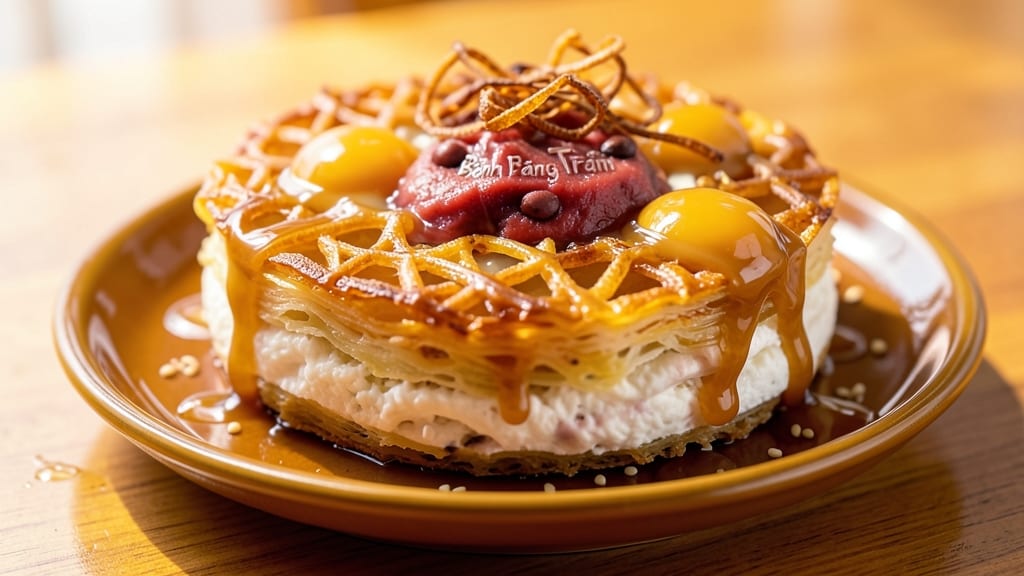
This Vietnamese egg cake recipe transforms simple ingredients into layers of silky, melt-in-your-mouth perfection with a signature coconut caramel finish. 💛 The traditional technique—steaming a delicate batter wrapped in banana leaves—creates a texture that's both tender and slightly chewy, with a subtle sweetness that builds as it cooks.
What makes this dish special isn't just the flavor, but the cultural significance tied to Vietnamese celebrations, where it's often served during Tet or family gatherings.
The recipe begins with a smooth batter of eggs, coconut milk, and rice flour, layered with mung bean paste for that signature sticky texture. The key to success lies in the wrapping technique—banana leaves must be prepared just right to prevent tearing during steaming.
This method ensures the cake maintains its shape while developing its signature caramelized edges, where the coconut milk caramelizes into a rich, golden crust.
What you'll end up with is a cake that's visually stunning with its golden layers and fragrant aroma, yet surprisingly light and airy in texture. The coconut caramel harmony comes together perfectly when steamed to just the right consistency—neither too firm nor too soft.
This dish is more than dessert; it's a centerpiece that brings warmth and tradition to any table.
Perfect for special occasions or when you want to impress with an authentic Vietnamese treat, this recipe delivers restaurant-quality results at home. The process may require patience, but the reward—a beautifully layered cake with complex flavors—is worth every step. Let's get started on creating this timeless dessert.
Ingredients for vietnamese egg cake
Twelve essential ingredients crafting layers of Vietnamese tradition and silky texture.
| Ingredient | Amount | Notes |
|---|---|---|
| Large Eggs 🥚 | 8 whole | Room temperature for even blending |
| Coconut Milk (Full-Fat) 🥥 | 1 ½ cups | Canned, well-shaken for creaminess |
| Rice Flour (Glutinous) 🌾 | 1 ½ cups | Fine grind for smooth batter |
| Mung Bean Paste (Sweet) 🌱 | 1 cup | Store-bought or homemade |
| Granulated Sugar 🍚 | ¾ cup | White or light brown |
| Unsalted Butter 🧈 | ½ cup | Melted, cooled slightly |
| Vanilla Extract 🌿 | 1 tbsp | Pure, high-quality |
| Banana Leaves (Fresh) 🍃 | 6 whole | Large, pliable leaves |
| Salt 🧂 | ¼ tsp | Fine sea salt |
| Baking Powder 🍞 | ½ tsp | Aluminum-free preferred |
| Vegetable Oil 🫒 | ¼ cup | Light, neutral flavor |
| Ground Cinnamon 🌶️ | ½ tsp | Freshly ground preferred |
The banana leaves are non-negotiable for authenticity—fresh, vibrant ones from Asian markets or specialty grocers ensure the perfect aroma and moisture seal. Look for leaves without tears or brown spots; they should feel pliable when dampened. If fresh leaves are unavailable, substitute parchment paper (though texture will differ). The mung bean paste is the heart of this cake's signature stickiness—Thai Kitchen brand is widely available and reliable, but homemade versions with added sugar yield superior results. For the coconut milk, opt for full-fat canned varieties like Aroy-D or Thai Kitchen; they provide the rich creaminess needed for that coveted caramelized crust. The rice flour must be glutinous (not regular)—Bob's Red Mill carries it in most regions, and it's worth seeking out for that signature chewy texture.
No banana leaves? Parchment paper works in a pinch, though the flavor will lack depth. Substituting mung bean paste with sweet red bean paste alters the texture but maintains sweetness—reduce sugar by 0.25 cup to compensate. For vegetable oil, avocado oil offers a neutral profile with higher smoke point. The eggs should be large and fresh—older eggs incorporate more air, potentially affecting the cake's delicate structure. If you're concerned about rice flour availability, tapioca starch can replace up to half the amount, though texture will be slightly firmer. The vanilla extract must be pure—Madagascar bourbon vanilla adds complexity worth the investment for special occasions.
Prepped banana leaves should be washed, blanched 30 seconds, and kept damp in plastic until use. The batter keeps 24 hours in the fridge, covered tightly—parchment-lined containers prevent sticking. Once assembled, wrapped cakes hold 3 days refrigerated or 2 months frozen, though texture softens slightly post-freeze. For serving, room temperature brings out the best texture—30 minutes at room temp before slicing. The mung bean paste can be stored 6 months in the pantry, while rice flour lasts 1 year in a sealed container. Always reheat gently—microwaving disrupts the delicate layers.
Why You'll Love This Recipe
- Here’s the genius: this cake works both ways. Steam it for a lighter, jiggly texture (great for breakfast or snacks), or bake it for a denser, fudgy slice (perfect for gifting or potlucks). I’ll be real: my kids ask for the steamed version, but my husband steals the baked loaf like it’s gold.
- No-Fuss Ingredient List: I swear by this recipe because it’s three things you probably already have—eggs, coconut milk, and rice flour—plus a jar of mung bean paste for that signature sweetness. No fancy pantry raids, no last-minute grocery runs. Honestly, the only thing trickier than assembling it is deciding whether to steam or bake it.
- Sweet-Creamy Magic: That combo of coconut milk and mung bean paste? It’s like dessert and cake had a baby—rich, fragrant, and just sweet enough to make you forget it’s "healthy." The eggs bind it into a tender, slightly chewy texture, while the sugar caramelizes into a sticky, golden crust. (Yes, even on a Tuesday night.)
- Steam or Bake, Your Call: Here’s the genius: this cake works both ways. Steam it for a lighter, jiggly texture (great for breakfast or snacks), or bake it for a denser, fudgy slice (perfect for gifting or potlucks). I’ll be real: my kids ask for the steamed version, but my husband steals the baked loaf like it’s gold.
Step-by-step instructions for Vietnamese egg cake
Mastering this delicate cake requires patience and precision—each step builds the signature layers.
👨🍳 Step 1: Prepare the Batter Foundation
In a stand mixer fitted with the whisk attachment, combine the 8 whole Large Eggs and 0.75 cup Granulated Sugar. Beat on medium-high speed for 3-4 minutes until the mixture becomes pale, thick, and nearly tripled in volume. This process incorporates air, creating the cake's signature lightness. You'll know it's ready when you can draw a figure-eight in the batter that holds its shape.
While the eggs whip, melt the 0.5 cup Unsalted Butter in a small saucepan over low heat. Let it cool slightly to 110°F—it should be warm but not hot to the touch. This tempered butter prevents the eggs from scrambling when added later. In a separate bowl, whisk together the 1.5 cups Coconut Milk (Full-Fat), 1 tbsp Vanilla Extract, 0.5 tsp Ground Cinnamon, 0.25 tsp Salt, and 0.5 tsp Baking Powder. Set aside.
🍳 Step 2: Blend Wet and Dry Ingredients
Gradually add the tempered butter to the egg mixture in a slow, thin stream while continuing to whisk on medium speed. This creates a stable emulsion that won't separate. Once fully incorporated, reduce the speed to low and add the coconut milk mixture in three parts, mixing just until combined after each addition. Overmixing here develops gluten in the rice flour, which we'll add next.
In a separate bowl, sift the 1.5 cups Rice Flour (Glutinous) to aerate it. With the mixer running on low speed, add the flour in three additions, alternating with the 1 cup Mung Bean Paste (Sweet). The batter should be thick but pourable—like heavy pudding. If it's too thick, add 1-2 tablespoons of the coconut milk mixture to adjust. The texture should coat the back of a spoon but still flow smoothly.
🥘 Step 3: Assemble and Steam with Banana Leaves
Preheat your steamer with 1-2 inches of water in the bottom, bringing it to a gentle simmer (not boiling). While waiting, prepare the 6 whole Banana Leaves (Fresh) by washing them thoroughly and patting dry. Lay each leaf flat on a clean surface and place ½ cup of the batter in the center of each leaf. Fold the sides inward, then roll tightly from the bottom up, tucking in the ends to seal completely. This creates an airtight package that prevents the cake from absorbing excess steam.
Arrange the rolled cakes seam-side down in your steamer basket, leaving ½-inch between each. Cover and steam over medium heat for 45 minutes. The cake is done when it springs back slowly when pressed gently with a finger and has a light golden hue through the banana leaf. Avoid lifting the lid during steaming—this disrupts the even cooking process and can cause the cakes to collapse.
⏰ Step 4: Rest and Unwrap for Perfect Texture
Remove the cakes from the steamer and let them rest in the banana leaves for 10 minutes. This resting period allows the internal structure to set and prevents cracking when unwrapped. While they rest, preheat your oven to 300°F—we'll use it to finish the cakes for that signature caramelized top.
Carefully unwrap each cake and transfer them to a baking sheet. Bake for 10-12 minutes until the tops develop a light golden caramelization. Watch closely—they should be just set but still tender. Serve immediately while still warm, cutting into ½-inch thick slices to reveal the delicate layers. The center should be silky and moist, with a subtle coconut aroma and a hint of vanilla sweetness.
Pro Tips For Making Vietnamese Egg Cake
- STEAM IT RIGHT: I learned this the hard way—steaming too fast makes the cake dense and gummy. Start with a gentle simmer (just enough to see small bubbles at the bottom) and cover the pot for 5 minutes before placing the cake in. Too much heat upfront = sad texture.
- SEPARATE EGGS LIKE A PRO: Whisk the egg yolks and whites separately, but don’t overbeat the whites—they’ll turn rubbery. Add a pinch of sugar to the yolks first, then fold in the whites gently with a spatula in broad strokes. Rough mixing = tunnels of air, and nobody wants that.
- CHOP MUNG PASTE SMALL: I used to leave chunks in, thinking they’d melt. Wrong. Cut that sweet mung bean paste into pea-sized pieces or smaller—it distributes flavor evenly and melts smoothly into the batter. Big chunks? You’ll taste them like awkward surprises.
- USE COCONUT MILK AT ROOM TEMP: Cold coconut milk thickens the batter weirdly, making it hard to mix and uneven in texture. Let the can sit out for 10-15 minutes before opening—just enough to loosen it up. Trust me, your cake will thank you with a lighter, more uniform crumb.
Serving suggestions for vietnamese egg cake
Traditional Serving Style
Serve Vietnamese egg cake warm with a dusting of powdered sugar—about 1 tablespoon—for a delicate finish that highlights the natural coconut aroma. The cake's silky layers pair beautifully with hot jasmine tea or strong Vietnamese coffee to balance the sweetness.
For a traditional touch, wrap slices in the same banana leaves used during cooking, creating an elegant presentation that ties back to the dish's cultural roots. 🌿
Modern Dessert Pairings
For a contemporary twist, serve slices alongside mango sorbet to cut through the richness. The tropical fruit's acidity contrasts perfectly with the cake's coconut caramel notes.
Another great pairing is lychee-infused coconut milk—simmer 1 cup lychees in 1 cup coconut milk with 1 tablespoon sugar until warm, then drizzle over the cake. This fusion approach keeps the dish's essence while adding vibrant freshness. 🍈
Breakfast or Brunch Option
Transform this dessert into a brunch centerpiece by serving it with whipped coconut cream and toasted sesame seeds. The texture contrast adds an unexpected dimension, making it feel like a gourmet pastry.
For a savory-sweet balance, pair with pickled vegetables like carrots or daikon—the tangy crunch complements the cake's sweetness beautifully. This unexpected combination elevates it from dessert to a full meal. 🥞
Gift-Worthy Presentation
For special occasions, slice the cake into ½-inch thick rounds and arrange on a platter with edible gold leaf or toasted coconut flakes for visual appeal. Wrap individual slices in parchment paper tied with twine for a professional presentation.
The cake's natural beauty makes it perfect for gift-giving—just add a small handwritten note about the recipe's cultural significance to complete the package. ✨
Seasonal Adaptations
In summer, serve chilled slices with fresh passion fruit pulp—its tartness refreshes the palate. For winter, warm the cake slightly and pair with spiced rum sauce (simmer ½ cup heavy cream, ¼ cup brown sugar, 1 tsp cinnamon, and 2 tbsp rum until thickened).
The warm spices enhance the cake's vanilla notes, making it feel like a cozy holiday treat. 🍂
Cultural Context Serving
During Vietnamese holidays like Tet, serve the cake as part of a banh chung spread with pickled onions, roasted peanuts, and steamed pork rolls. The combination represents tradition and abundance.
For modern celebrations, create a dessert platter with durian slices (for adventurous eaters) and black sesame cookies to showcase the cake's versatility across generations. 🎉
Nutrition facts
Frequently asked questions
Why does the Vietnamese egg cake need banana leaves?
Banana leaves aren't just traditional—they create the cake's signature aroma and moisture seal. The leaves' natural oils infuse subtle earthy notes, while their pliability helps maintain the cake's shape during steaming. Without them, you'll lose that authentic flavor and risk a drier texture. For substitutes, parchment paper works but lacks the aromatic depth.
Can I make this cake without a steamer?
Yes! If you don't have a steamer, use a large pot with a tight-fitting lid and a heatproof plate or metal rack at the bottom. Add 2 inches of water and bring to a simmer before placing the wrapped cakes inside. The key is maintaining gentle steam—never let it boil vigorously, or the cakes may become rubbery. Monitor closely for 45-55 minutes depending on your heat source.
What's the secret to getting the perfect caramelized top?
The golden caramelization comes from the final oven step—don't skip it! After steaming, the cakes need 10-12 minutes at 300°F to develop that signature crust. Brush the tops lightly with a mix of 1 tablespoon melted butter and 1 teaspoon sugar before baking for extra color. Watch carefully—they're done when just set but still tender to the touch.
How do I store leftovers without drying them out?
Wrap cooled slices tightly in plastic wrap and store in an airtight container with a slice of bread to absorb moisture. They'll keep 3 days at room temperature or 2 months frozen. For reheating, warm in a 200°F oven for 5-8 minutes wrapped in foil. Microwaving works in 10-second bursts, but it can make the texture gummy.
Can I substitute mung bean paste with something else?
While traditional, you can replace mung bean paste with sweet red bean paste (reduce sugar by 0.25 cup) or mashed ripe bananas (add 1 teaspoon cinnamon). For texture, blend 1 cup cooked quinoa with 2 tablespoons honey as a neutral alternative. Just note that substitutions may alter the cake's signature chewy layers and sweetness balance.