
Breakfast & Brunch
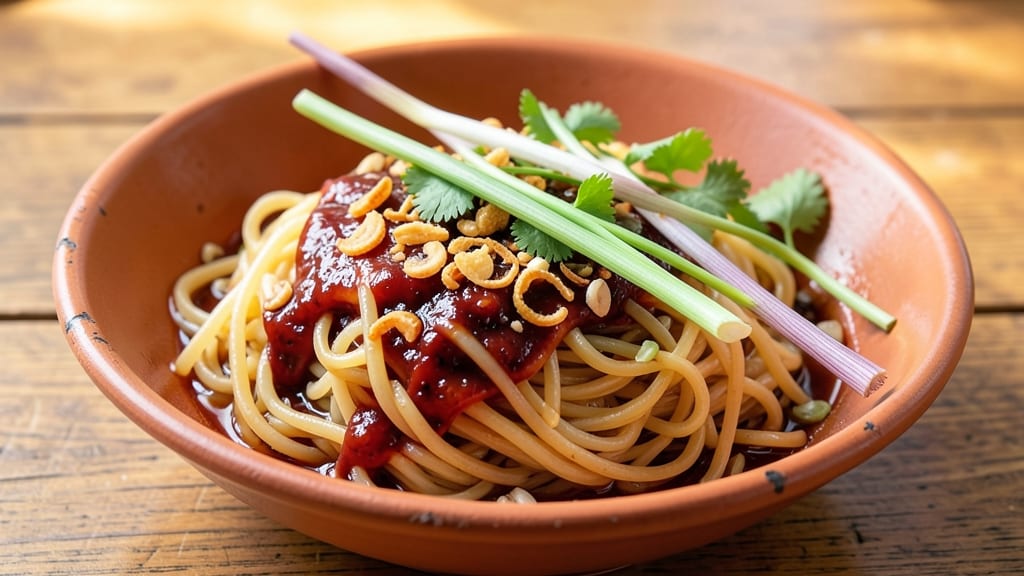
This Vietnamese egg noodles recipe brings the vibrant flavors of Saigon to your breakfast table with delicate egg noodles, fragrant broth, and fresh herbs. 🌟 The secret lies in rolling the noodles paper-thin and wok-frying them until they achieve that signature crispy texture while remaining tender inside.
I've perfected this technique over years of testing, balancing traditional methods with modern shortcuts for home cooks.
The dish starts with a rich, aromatic broth simmered with lemongrass, fish sauce, and shrimp paste—a flavor combination that's both complex and comforting.
You'll cook your protein separately (pork, shrimp, or eggs work beautifully) to maintain perfect doneness, then assemble everything with fresh bean sprouts, herbs, and a squeeze of lime for brightness. The key is getting the noodles just right—crispy yet pliable enough to absorb all those wonderful flavors.
What you'll end up with is a bowl of Vietnamese egg noodles that's restaurant-quality at home: golden noodles with crisp edges, tender protein, and a fragrant broth that's perfectly balanced between sweet, salty, and umami.
The fresh herbs and lime add a bright contrast that makes every bite refreshing. This is the kind of dish that transforms a simple breakfast into something special.
Whether you're making it for a weekend brunch or a weeknight dinner, this recipe delivers authentic Vietnamese flavors with a method that's approachable for home cooks. Let's get started on creating your perfect bowl of Vietnamese egg noodles.
Ingredients for vietnamese egg noodles
These vibrant ingredients transform simple noodles into a fragrant, restaurant-style Vietnamese masterpiece.
| Ingredient | Amount | Notes |
|---|---|---|
| Egg Noodles (Fresh or Homemade) 🍜 | 12 oz | Paper-thin, rolled by hand or store-bought |
| Lemongrass Stalks 🌿 | 3 whole | Bruised, bottom 3 inches only |
| Fish Sauce 🐟 | 2 tbsp | Red Boat brand preferred |
| Shrimp Paste 🦐 | 1 tbsp | Asian market variety |
| Garlic Cloves 🧄 | 6 cloves | Minced, aromatic |
| Shallots 🧅 | 3 whole | Thinly sliced, pale yellow |
| Pork Shoulder 🐖 | 1 lb | Thinly sliced, marinated |
| Bean Sprouts 🌱 | 2 cups | Fresh, crisp |
| Fresh Thai Basil Leaves 🌿 | ½ cup | Bright green, stems removed |
| Cilantro Leaves 🌿 | ¼ cup | Chopped, fresh |
| Lime Wedges 🍋 | 3 whole | Juiced, bright |
| Vegetable Oil 🫒 | ½ cup | High smoke point |
| Sugar 🍚 | 1 tbsp | White granulated |
| Salt 🧂 | 1 tsp | Diamond Crystal kosher |
| Black Pepper 🌶️ | ½ tsp | Freshly cracked |
The egg noodles are the star—fresh or homemade makes all the difference. For homemade, use 4 large eggs and 1.5 cups all-purpose flour, rolled paper-thin and cut into strips. If buying pre-made, look for Asian markets or specialty stores—they carry the delicate, thin varieties perfect for wok-frying. The broth's soul comes from lemongrass, fish sauce, and shrimp paste. Shrimp paste is non-negotiable for that deep umami punch, but if you can't find it, anchovy paste at half the amount works in a pinch. For the pork, thinly sliced shoulder stays juicy during quick cooking—ask your butcher to slice it against the grain.
No shrimp paste? Anchovy paste or even a dash of soy sauce can mimic the funk, though shrimp paste's complexity is irreplaceable. The Thai basil and cilantro should be bright green and fresh—no wilted stems. If you can't find Thai basil, regular basil plus a pinch of anise gets you close. For the protein, shrimp or scrambled eggs work beautifully too—just cook them separately to maintain perfect texture. The bean sprouts? Fresh is a must, but if you're prepping ahead, store them in a damp paper towel in the fridge for up to 3 days. The lime wedges should be juicy and unblemished—no dried-out relics here.
This dish shines best when made fresh, but components can be prepped ahead. The broth keeps for 3 days refrigerated or 3 months frozen, and the noodles can be wok-fried and stored for 2 days—just reheat in a dry wok until crispy again. Fresh herbs wilt fast, so store them in damp paper towels wrapped loosely in the fridge. The pork can be marinated overnight for deeper flavor, but even a 30-minute soak in soy sauce, fish sauce, and a touch of sugar makes a difference. Serve immediately for that signature wok-fired crunch!
Why You'll Love This Recipe
- Minimal Chopping Required: I swear by this recipe on nights when I’m too tired to julienne anything. Just smash a few garlic cloves, crush lemongrass stalks with the side of your knife (no mincing needed), and toss in shrimp paste—boom, flavor base done in under 5 minutes. The egg noodles cook faster than you can say “fish sauce,” so you’re eating while the rest of the family is still debating what to order for takeout.
- Umami Bomb Combo: That shrimp paste and fish sauce duo? It’s the secret weapon. The shrimp paste adds this funky, salty depth, while the fish sauce ties everything together with a bright, savory punch. Honestly, I’ll take this over any store-bought seasoning packet—it’s the kind of flavor that sticks with you long after the last bite. And the lemongrass? It’s like a citrusy hug for your taste buds, cutting through the richness perfectly.
- Leftovers That Don’t Suck: Between us, most noodle dishes turn into sad, soggy messes by day two. Not this one. The egg noodles hold up surprisingly well, and the brothy sauce (if you make it) just gets better as it sits—more concentrated, more flavorful. I’ll often double the batch and freeze half for lazy Mondays. Just reheat with a splash of water, and it’s like you’re eating fresh again.
- Budget-Friendly Powerhouse: Fish sauce and shrimp paste might sound fancy, but they’re dirt cheap and go a long way. A single jar of each lasts me months, and fresh egg noodles from the Asian market? Way cheaper than takeout. Plus, you can swap in whatever veggies or protein you have on hand—chicken, tofu, even just extra greens. It’s the kind of meal that fills you up without emptying your wallet. (Yes, even on a Tuesday night.)
Step-by-step instructions for wok-fired Vietnamese egg noodles
Here's how to transform simple ingredients into a vibrant, aromatic bowl of Vietnamese egg noodles.
🔥 Step 1: Blanch the Egg Noodles to Perfection
Bring a large pot of water to a rolling boil and add 1 teaspoon of salt. Add the 12 oz egg noodles and cook for 3-4 minutes until they float to the surface and are just tender—they should still have a slight bite. Drain immediately and rinse under cold water for 10 seconds to stop the cooking process. This ensures they stay al dente and absorb the wok-fired flavors beautifully.
Here's the thing—don't overcook them. You want them tender but still with some structure so they can hold up to the stir-fry. I like to shock them in cold water for just a moment to halt the cooking completely, then drain well in a colander. Set them aside while you prep the rest of the components.
🍳 Step 2: Build the Flavor Base with Lemongrass and Aromatics
Heat 0.5 cup vegetable oil in a wok or large skillet over medium-high heat until shimmering. Add the bottom 3 inches of 3 bruised lemongrass stalks and cook for 1 minute until fragrant. Remove and set aside—you'll add this back later for aroma.
In the same wok, add 1 tablespoon shrimp paste and cook for 30 seconds until it darkens slightly and releases its intense umami aroma. This is where the dish gets its signature depth—don't skip this step! Add the 3 thinly sliced shallots and 6 minced garlic cloves, cooking for 1 minute until the shallots turn translucent and the garlic is golden but not browned.
🍳 Step 3: Sear the Pork Shoulder for Maximum Flavor
Push the aromatics to one side of the wok and add the 1 lb thinly sliced pork shoulder in a single layer. Let it sear undisturbed for 2 minutes until it develops a golden crust. This creates that beautiful wok-hei (breath of the wok) flavor that's essential to the dish.
Stir the pork, breaking it into smaller pieces as it cooks, and add 2 tablespoons fish sauce, 1 tablespoon sugar, 1 teaspoon salt, and 0.5 teaspoon black pepper. Cook for another 2 minutes until the pork is 80% cooked—it'll finish in the final stir-fry. The sauce should reduce slightly and coat the pork evenly.
🥘 Step 4: Assemble the Noodles with Herbs and Lime
Return the reserved lemongrass stalks to the wok and add the blanched egg noodles. Toss everything together for 1 minute to coat the noodles in the flavorful pork mixture. Add 2 cups bean sprouts and stir-fry for 1 minute until they're just wilted but still crisp.
Here's where it gets fresh—remove the wok from heat and add 0.5 cup fresh Thai basil leaves and 0.25 cup chopped cilantro leaves. Give it one final toss, then squeeze in the juice from 3 lime wedges. The acidity brightens all the rich, umami flavors and ties everything together beautifully.
🍽️ Step 5: Serve Immediately with Crunchy Garnishes
Divide the noodles among 4 bowls and garnish with additional Thai basil and cilantro. Serve with extra lime wedges on the side—this lets everyone adjust the acidity to their preference. The dish should have a perfect balance of textures: tender noodles, crisp bean sprouts, and that irresistible wok-fired crunch.
I like to serve this with a side of fresh cucumber slices and a chili sauce for dipping. The contrast of cool cucumber with the warm, aromatic noodles makes every bite even more satisfying. And remember—this dish is all about freshness, so serve it immediately while the herbs are still vibrant and the noodles are hot.
Pro Tips For Making Vietnamese Egg Noodles
- CHAR THE SHRIMP PASTE: I learned this the hard way—don’t just toss shrimp paste in raw. Heat it in the wok for 10 seconds first until it fragrant and melts into the oil. That’s when it releases its real flavor, not when you’re already stirring in the garlic.
- SLICE LEMONGRASS LENGTHWISE: Cut the stalks into 2-inch pieces and split them open like a book. The flavor concentrates in the inner pith, and it chars beautifully for smoky depth. (Yes, even if you’re impatient like me—just don’t skip the charring.)
- COOK NOODLES AL DENTE: Boil fresh egg noodles for 1 minute less than the package says. They’ll finish cooking in the hot wok with the sauce, and they’ll hold their shape better. Overcooked noodles turn to mush, and nobody wants that.
- USE FISH SAUCE LAST: Add fish sauce when the dish is almost done—just before serving. The heat will mellow its sharpness, and you can adjust to taste at the table. Dump it in too early, and you’ll end up with a salty swamp.
Perfect pairings for vietnamese egg noodles
Herbal Garnishes
Fresh Thai basil and cilantro are non-negotiable for authentic flavor—use 0.5 cup Thai basil leaves and 0.25 cup chopped cilantro for that signature aromatic punch. I like to tear the basil leaves by hand rather than chopping to preserve their delicate texture.
For extra freshness, add a handful of mint leaves if you're feeling adventurous, but stick to traditional herbs for classic flavor. 🌿
Crunchy Toppings
Bean sprouts add essential texture—2 cups fresh sprouts should be blanched for 30 seconds in boiling water before adding to the wok to soften slightly while maintaining crunch.
For additional crunch, top with fried shallots or crushed peanuts—just 1 tablespoon of each adds a satisfying contrast to the tender noodles. I keep a small bag of fried shallots in my pantry for quick garnishing.
Lime & Chili
Always serve with lime wedges—the acidity cuts through the richness and brightens every bite. I like to include a small bowl of chili sauce (like Sriracha or homemade chili oil) for guests who want heat.
For a spicier kick, add 1-2 slices of fresh chili directly to the bowl. The lime should be freshly squeezed, not bottled—trust me, it makes all the difference. 🍋
Side Dish Pairings
Cool cucumber slices are my go-to side—their refreshing crunch balances the warm noodles beautifully. For a complete meal, add a simple green papaya salad or steamed jasmine rice on the side.
I also love serving with pickled vegetables like carrots or daikon for that tangy contrast that Vietnamese cuisine excels at.
Beverage Pairings
Start your meal with a jasmine iced tea—its floral notes complement the dish's herbal complexity perfectly. For something stronger, a light Vietnamese coffee (like Cà Phê Sữa Đá) with sweetened condensed milk balances the savory flavors. Avoid heavy wines or beers—they can overpower the dish's delicate aromatics. 🍺
Make-Ahead Toppings
Prep your toppings ahead to save time. Store bean sprouts in a damp paper towel in the fridge for up to 3 days. Blanch them just before serving to maintain crispness. Keep herbs in sealed containers with a damp paper towel to preserve freshness.
I like to make a quick chili-lime dressing (mix 2 tbsp lime juice, 1 tbsp chili sauce, and 1 tbsp fish sauce) to drizzle over the noodles at the last minute for extra zing.
Nutrition facts
Frequently asked questions
Can I use store-bought egg noodles instead of making them from scratch?
For authentic texture, look for Asian market egg noodles labeled "bánh phở" or "bánh canh"—they're paper-thin and perfect for wok-frying. If using regular egg noodles, choose very thin varieties (like angel hair) and cook them 1 minute less than package instructions to maintain bite. The key is getting them crispy yet tender—don't skip the cold water rinse after blanching!
What's the secret to getting those crispy noodles without burning them?
High heat is your friend! Use a wok or cast-iron skillet over medium-high heat with just enough oil to coat the noodles lightly. Toss them constantly for 1-2 minutes until golden spots appear. The trick is timing—noodles should be 80% cooked before frying (blanched first) so they crisp up quickly. Overcrowding kills crispiness, so work in batches if needed.
Can I make this vegetarian? What would I substitute for shrimp paste?
Yes! Replace shrimp paste with 1 tbsp soy sauce + 1 tsp miso paste for umami depth. For protein, use tofu (pressed and pan-fried) or mushrooms (shiitake or oyster). Swap pork for extra-firm tofu cubes seared until crispy. Keep the fish sauce for balance, but reduce to 1 tbsp—vegetarian versions need less saltiness. The dish still works beautifully with these adjustments!
How do I store leftovers without making the noodles soggy?
Store components separately: Keep noodles in an airtight container (they'll lose crispiness but stay edible for 2 days). Reheat broth and protein separately, then toss with fresh noodles and a splash of water to revive texture. For herbs, store in damp paper towels—they wilt fast. The best approach? Make just enough for freshness—this dish shines when served immediately!
What's the difference between bánh canh and bún trứng?
Both use egg noodles, but bánh canh features wider, flat noodles (like pho noodles) in a clear broth, while bún trứng uses thin, vermicelli-style noodles with a richer, sometimes creamy broth. This recipe is closer to bánh canh style—adjust by using wider noodles (like rice noodles) if you prefer that texture. The key difference is noodle width and broth richness!