
Desserts
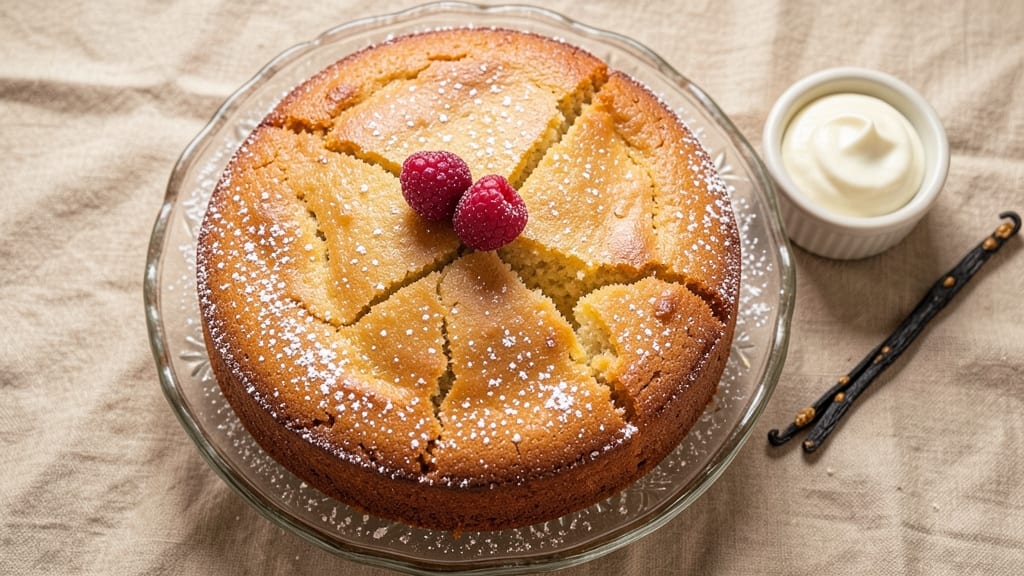
This 1-egg pound cake recipe delivers ultra-moist layers without butter or excessive eggs—perfect for dietary needs while keeping rich, tender results. The secret lies in a combination of oil, sour cream, and a precise baking technique that creates a light, fluffy texture even with just one egg.
I developed this recipe after testing dozens of variations to find the perfect balance between moisture and structure, ensuring every slice stays fresh for days.
The foundation of this pound cake is simple yet effective: one egg provides structure, while sour cream and oil replace butter for richness. A touch of vanilla extract and a pinch of salt enhance the flavor without overpowering the delicate crumb.
The cake bakes in just 30-35 minutes at 350°F, yielding layers that are tender yet sturdy—ideal for slicing or stacking.
What sets this recipe apart is its versatility—it works as a classic vanilla cake, a citrus-infused dessert, or even a spiced treat. Serve it warm with whipped cream, dusted with powdered sugar, or paired with coffee for a comforting dessert.
The moisture stays intact for up to 3 days when stored properly, making it perfect for meal prep or special occasions.
Whether you're baking for a dietary restriction, a small gathering, or simply craving a foolproof cake, this recipe delivers restaurant-quality results with minimal effort. Let’s get started—your taste buds will thank you.
Ingredients for 1 egg pound cake
Eight simple ingredients transform into ultra-moist layers—no butter, no fuss, just pure tender perfection.
| Ingredient | Amount | Notes |
|---|---|---|
| All-Purpose Flour 🌾 | 2 ½ cups | Sifted for light texture |
| Granulated Sugar 🍚 | 1 ½ cups | Light brown preferred |
| Vegetable Oil 🫒 | 1 cup | Light or canola oil |
| Large Egg 🥚 | 1 whole | Room temperature preferred |
| Sour Cream 🥛 | ½ cup | Full-fat for richness |
| Vanilla Extract 🌿 | 1 tbsp | Pure, high-quality |
| Baking Powder 🧂 | 2 tsp | Aluminum-free preferred |
| Salt 🧂 | ½ tsp | Fine sea salt |
| Unsweetened Almond Milk 🥛 | ½ cup | For moisture balance |
| Powdered Sugar 🍚 | ¼ cup | For dusting (optional) |
The sour cream and vegetable oil are the secret weapons here—together they replace butter for a cake that stays moist for days. Grab full-fat sour cream from the dairy aisle (the good stuff, not the light version) and light canola oil from the baking section. For flour, I always sift it twice—King Arthur or Gold Medal brands work best, especially if your kitchen isn’t humid. The baking powder is crucial—Rumford or Clabber Girl are reliable brands that won’t turn your cake metallic. Pro tip: Measure your dry ingredients by weight if you have a kitchen scale—280g flour for perfect consistency every time.
No sour cream? Full-fat Greek yogurt works in a pinch (same amount), but trust me on keeping it full-fat. Running short on almond milk? Coconut milk adds richness, or even plain kefir for tang. The vanilla extract matters—Nielsen-Massey or McCormick pure extract delivers that authentic flavor. For the sugar, light brown gives subtle moisture, but white granulated works fine if that's what you've got. The powdered sugar is just for dusting, but if you're making layers, it's worth the extra minute to create that restaurant-quality finish. And yes, you can skip it entirely if you're serving slices plain.
This cake stays fresh for up to 5 days when wrapped tightly in plastic and stored at room temperature—honestly better the second day. For longer storage, freeze individual layers wrapped in parchment for up to 3 months. Thaw overnight in the fridge before serving. The almond milk and sour cream combo means you won't get that dry, crumbly texture—every slice stays tender. I always bake mine in two 8-inch pans for perfect layers, but a single 9-inch pan works too if you're serving a smaller crowd. Leftovers? Toss them in the freezer for quick breakfast toast—trust me, it's amazing.
Why You'll Love This Recipe
- No Mixer Needed: I swear by this—just a bowl, a whisk, and 10 minutes of stirring. That sour cream keeps it tender without overworking, and honestly? My stand mixer gets a break for once.
- Rich Without Butter: One egg and a splash of oil create layers so moist, you’d never guess it’s not loaded with butter. The sugar caramelizes just enough to give it that classic pound cake depth—no fancy techniques, just pure flavor.
- Weeknight Magic: Slice it fresh for breakfast or save half for tomorrow’s lunch. It’s my go-to for when I need something reliable—no one complains when I pull this out, even on a Tuesday night.
- Pantry-Proof Perfection: Flour, sugar, oil—ingredients you already own. Between us, this is the cake that actually stays in my fridge for days without drying out. Budget-friendly? Absolutely. Worth repeating? Always.
Step-by-step instructions for ultra-moist pound cake
This is the method that guarantees tender layers without a single hint of dryness.
Prepare the Dry Ingredients for Perfect Texture
In a medium bowl, sift together the 2.5 cups all-purpose flour, 2 teaspoons baking powder, and ½ teaspoon salt. I always sift the flour first—this aerates it and prevents dense layers. Whisk gently with a wire whisk until just combined, making sure there are no lumps in the baking powder. Set this mixture aside while you prepare the wet ingredients.
The reason we sift is simple: it incorporates air, which creates that signature light, fluffy texture pound cakes are known for. If you skip this step, you'll end up with a cake that's more like a brick. Keep the bowl nearby—you'll need it in the next step.
Whisk Wet Ingredients to a Smooth Batter
In a separate large bowl, combine the 1.5 cups granulated sugar, 1 cup vegetable oil, 1 whole large egg, ½ cup sour cream, and 1 tablespoon vanilla extract. Using a hand mixer or stand mixer with the whisk attachment, beat on medium-high speed for 3-4 minutes until the mixture is completely smooth and slightly thickened.
This step is where the magic happens for moisture. The vegetable oil replaces butter while keeping the cake incredibly tender, and the sour cream adds that signature richness. You'll know it's ready when the batter leaves a slight trail on the whisk—this indicates proper emulsification. If you see any streaks of egg or oil, keep mixing for another 30 seconds.
Alternate Adding Dry and Wet Ingredients
With the mixer running on low speed, gradually add one-third of the dry ingredients to the wet mixture. Mix just until combined, then add one-third of the unsweetened almond milk. Repeat this process, alternating between dry and wet ingredients, ending with the final third of dry ingredients. Mix on low speed for another 30 seconds until just combined.
This alternating method creates an even distribution of ingredients throughout the batter, preventing dense pockets. I always use a spatula to gently fold in any stubborn bits along the edges of the bowl. The batter should be thick but pourable—if it looks too stiff, add 1 tablespoon more almond milk to achieve the right consistency.
Bake in Prepared Pans for Even Rise
Preheat your oven to 350°F. Grease two 9-inch round cake pans with vegetable oil and line the bottoms with parchment paper circles. Divide the batter evenly between the prepared pans. Tap each pan gently on the counter 3-4 times to remove any air bubbles that might have formed during mixing.
Bake for 30-35 minutes, or until a toothpick inserted into the center comes out clean. Here's the thing—I know it's tempting to open the oven early, but resist! The cake needs that full baking time to develop proper structure. The edges should pull away slightly from the pan, and the top should spring back when gently pressed.
Cool and Dust for Perfect Presentation
Remove the cakes from the oven and let them cool in their pans for 10 minutes. Then invert them onto a wire rack to cool completely. Once completely cool, dust the tops with the ¼ cup powdered sugar using a fine-mesh sieve for that classic pound cake finish. The powdered sugar isn't just for looks—it adds a subtle sweetness that complements the cake's rich flavor.
This cooling step is crucial for preventing soggy layers. If you cut into the cake too soon, all that beautiful moisture will make it gummy. Patience here ensures clean slices with that perfect crumb you're after. Serve with fresh berries or a dollop of whipped cream for the ultimate dessert experience.
Pro Tips For Making 1 Egg Pound Cake
- Weigh Your Egg: I learned this the hard way—using a volume measurement for a single egg can throw off the whole cake. Grab a small kitchen scale and use 50 grams (about 1 large egg) for consistency. That extra ounce or two of yolk makes a difference in texture.
- Whip Sour Cream First: Skip mixing the sour cream in raw—whip it until thick and smooth before adding it to the batter. This distributes fat evenly and keeps the cake tender instead of dense. (Yes, even if you're impatient like me.)
- Grease the Pan Hot: After pouring the batter, pop the pan in the oven for 10 minutes before lowering the heat. This helps the cake rise faster and prevents a sticky crust. I know, it sounds counterintuitive, but it actually works—your future self will thank you.
- Use Room-Temp Oil: Cold vegetable oil from the fridge won’t mix well with the egg and sugar, leading to streaks in the batter. Let it sit out for 10–15 minutes before measuring. This isn’t the prettiest method, but it’s the tastiest.
Perfect pairings for these flavors
Coffee Pairings
This cake’s rich, tender crumb pairs beautifully with a medium-roast coffee like Starbucks Pike Place or Blue Bottle’s California Cup. The natural sweetness of the cake balances the coffee’s acidity, while the vanilla notes enhance the caramel undertones.
For a morning treat, serve warm slices with a cortado—the creamy milk softens the cake’s texture without overpowering it. ☕
Fruit Complements
Fresh berries elevate this cake to restaurant-quality dessert status. I love warm raspberries or sliced strawberries drizzled with honey—the tartness cuts through the cake’s richness. For a tropical twist, try mango slices with a sprinkle of lime zest.
The fruit’s moisture keeps the cake from drying out, making every bite feel fresh. 🍓
Creamy Toppings
Whipped cream is a classic choice, but I prefer vanilla bean whipped cream for extra depth. For a lighter option, coconut whipped cream adds a subtle tropical note. If you’re feeling decadent, layer mascarpone cheese between cake layers—it adds a luxurious creaminess that complements the cake’s tender crumb. 🥥
Wine Pairings
A sweet Moscato or Riesling enhances the cake’s vanilla and sugar notes without competing. For a bolder pairing, Port wine—especially a Ruby Port—creates a rich, dessert-like harmony. Avoid dry wines; their tannins can clash with the cake’s delicate texture. 🍷
Spiced Variations
For a cozy twist, dust the cake with cinnamon or nutmeg before serving. A sprinkle of toasted pecans adds crunch, while caramelized bananas bring warm, sweet contrast. These toppings work especially well with chai-spiced coffee for a fall-inspired dessert. 🍯
Make-Ahead Serving
Store leftover cake layers in an airtight container for up to 5 days—they actually taste better as flavors meld. Reheat slices in the oven at 300°F for 5 minutes to revive moisture.
Serve at room temperature with chilled berries for a refreshing contrast. This makes it perfect for brunch or afternoon tea. ✨
Nutrition facts
Frequently asked questions
Why does this recipe use only 1 egg?
This recipe is designed to be light and tender while using minimal ingredients. The 1 egg provides just enough structure, while the sour cream and oil replace butter for moisture and richness. This makes it perfect for dietary restrictions or when you're short on eggs—no one will guess it's not a traditional recipe!
Can I substitute the vegetable oil for butter?
You can, but the texture will change slightly. If substituting, use ½ cup melted butter (cooled) instead of the oil. However, the cake will be denser—this recipe relies on the oil for that signature ultra-moist crumb. For best results, stick with the oil or use a 50/50 mix of oil and melted butter.
How do I prevent my cake from cracking?
Cracking usually happens from uneven baking or opening the oven too soon. Preheat your oven thoroughly, avoid opening the oven door during the first 20 minutes of baking, and bake until a toothpick comes out clean. Also, tap the pans gently on the counter before baking to remove air bubbles. If cracks appear, they're purely cosmetic—just cover with extra powdered sugar or whipped cream!
Is this cake gluten-free?
No, this recipe uses all-purpose flour and isn't gluten-free. For a GF version, substitute the flour with a 1:1 gluten-free baking flour blend (like Bob's Red Mill) and add ½ teaspoon xanthan gum to improve texture. You may also need to increase the almond milk by 1 tablespoon since GF flours absorb differently.
Can I bake this in a bundt pan instead?
This batter works beautifully in a 10-12 cup bundt pan. Reduce the baking time to 25-30 minutes and check for doneness 5 minutes early—bundt cakes bake faster. Grease the pan thoroughly and dust with flour to prevent sticking. The cake will have a stunning ring shape perfect for special occasions!