
Breakfast & Brunch
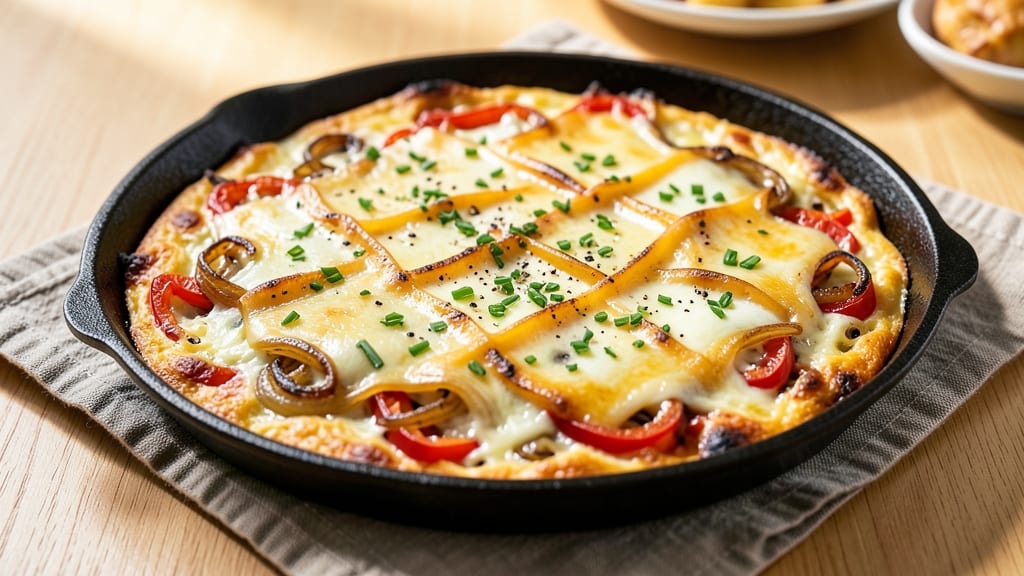
A 12-egg baked frittata transforms brunch from a morning task into a showstopping centerpiece—perfect for feeding eight hungry guests with minimal effort. This recipe delivers a golden, crispy top and a creamy, fluffy interior, where every bite balances rich eggs with optional vegetables and herbs.
The key lies in preheating the oven to 375°F and using a 10-inch cast-iron skillet to ensure even cooking and that signature restaurant-style crust.
What sets this frittata apart is its scalability—doubling the classic recipe without compromising texture or flavor. Whisked eggs bind together with sautéed veggies (like bell peppers, onions, or spinach) and melted cheese, creating a one-dish meal that’s as satisfying as it is impressive.
The secret to success? A low-and-slow bake that prevents a rubbery center while developing a crispy, caramelized edge.
By the time it emerges from the oven, you’ll have a restaurant-quality frittata with a tender, custardy interior and a crispy, golden crust that holds its shape when sliced.
It’s the kind of dish that disappears faster than you can say "second helping," making it ideal for brunch gatherings, family dinners, or even a hearty lunch. The best part? Leftovers reheat beautifully, so you can enjoy it all week.
This recipe is vegetarian-friendly (just omit meat add-ins) and customizable—swap cheeses, herbs, or veggies to match your taste. Whether you’re hosting a crowd or meal prepping for the week, this foolproof method ensures a perfectly baked frittata every time. Let’s get cooking!
Ingredients for 12 egg baked frittata
Twelve eggs plus a handful of fresh ingredients create a showstopping brunch centerpiece for eight.
| Ingredient | Amount | Notes |
|---|---|---|
| Large Eggs 🥚 | 12 whole | Room temperature for even baking |
| Shredded Sharp Cheddar Cheese 🧀 | 2 cups | Freshly grated preferred |
| Whole Milk 🥛 | ½ cup | Warmed for better blending |
| Salt 🧂 | 1 ½ tsp | Diamond Crystal preferred |
| Freshly Ground Black Pepper 🌶️ | 1 tsp | Freshly cracked for best flavor |
| Fresh Chives 🌿 | ¼ cup | Finely chopped for garnish |
| Yellow Onion 🧅 | 1 whole | Diced into small pieces |
| Red Bell Pepper 🍅 | 1 whole | Diced into small pieces |
| Fresh Spinach 🌱 | 4 cups | Chopped, packed loosely |
| Extra-Virgin Olive Oil 🫒 | ¼ cup | For sautéing vegetables |
| Unsalted Butter 🧈 | 2 tbsp | For greasing skillet |
| Garlic Cloves 🧄 | 4 cloves | Minced for sautéing |
| Fresh Thyme Leaves 🌿 | ½ tsp | Dried thyme works in a pinch |
Eggs are the star here, so grab the freshest you can find—look for large eggs with bright, unbroken shells. Trader Joe's or Whole Foods usually have the best quality, but any reputable grocery store works. The cheese makes all the difference too—sharp cheddar melts beautifully, but Parmigiano-Reggiano or Gruyère add depth if you're feeling fancy. Fresh herbs like chives and thyme elevate the flavor, but dried will work if you're in a hurry. Prep the veggies ahead of time to save morning stress—dice the onion and bell pepper the night before and store them in the fridge.
No sharp cheddar? Monterey Jack or Gouda melt just as well. Fresh spinach wilted? Frozen works perfectly—just thaw and drain it first. Want to skip the chives? Fresh parsley or basil add a nice contrast. The milk can be swapped for cream or half-and-half if you prefer a richer texture. For extra crispiness, sprinkle a pinch of cornstarch over the top before baking. And if you're short on time, pre-chopped veggie mixes from the grocery store save prep work without sacrificing flavor.
This frittata keeps beautifully—3-4 days in the fridge wrapped tightly in foil. For longer storage, freeze individual slices between parchment paper for easy reheating. To serve, slide it straight from the skillet onto a platter (the crust will stay intact if you do it right) and garnish with extra herbs. Leftovers reheat best in a 350°F oven for 10 minutes—microwaving can make the top soggy. Make a double batch if you can—it disappears faster than you think!
Why You'll Love This Recipe
- No-Fuss Oven Magic: I swear by this recipe when I need a hot meal without standing at the stove. Twelve eggs? Sounds like a lot, but they bake into a single golden, set-in-place masterpiece—no flipping, no fuss, just slide it into the oven and let it do the work.
- Cheese Pulls Hard: That sharp cheddar isn’t just melted—it’s stretched across the top like caramelized silk. The milk adds a creamy richness that makes every bite feel like a hug, and honestly? The pepper and salt balance is where this frittata goes from good to I’ll make it again.
- Prep-Ahead Powerhouse: Between us, this is my go-to for Sunday night dinner or Monday morning lunches. It reheats beautifully—crispy edges, creamy center—so I can make a whole pan and portion it out for the week. No sad leftovers here, just easy grab-and-go breakfasts.
- Budget Breakfast Win: Twelve eggs? Check. A block of cheddar? Check. That’s it for the heavy hitters. The milk and seasonings cost pennies, and one pan means minimal cleanup. I’ve fed four people for under $10, and they’ve never complained once—now that’s a win.
Step-by-step instructions for a perfect 12-Egg baked frittata
Here's how to make a hearty, golden frittata that feeds eight without falling apart.
Sauté the Vegetable Base
Heat the 0.25 cup extra-virgin olive oil and 2 tbsp unsalted butter in a 12-inch oven-safe skillet over medium heat. Add the 1 whole yellow onion and 1 whole red bell pepper, both diced into ¼-inch pieces, along with the 4 cloves garlic cloves, minced. Sauté for 5-6 minutes until the onion becomes translucent and the peppers soften slightly.
Stir in the 4 cups fresh spinach and 0.5 tsp fresh thyme leaves, cooking just until the spinach wilts completely—about 2 minutes. Remove the skillet from heat and let the vegetables cool for 3-4 minutes. This prevents the eggs from scrambling too quickly when you add them later. The vegetables should be tender but still vibrant, not mushy.
Whisk the Egg Mixture
In a large bowl, whisk together the 12 whole large eggs (room temperature) with the 0.5 cup whole milk, 1.5 tsp salt, and 1 tsp freshly ground black pepper until the mixture is completely smooth and homogeneous. The eggs should be pale yellow and fully incorporated—no streaks of white or yellow should remain.
Gently fold in the 2 cups shredded sharp cheddar cheese using a spatula, being careful not to overmix. The cheese should be evenly distributed throughout the egg mixture, but a few small clumps are fine—they'll melt beautifully in the oven. This is where the frittata gets its rich, cheesy flavor, so don't skip this step.
Assemble and Bake
Return the skillet with sautéed vegetables to the stovetop over low heat. Pour the egg mixture evenly over the vegetables, tilting the pan to spread it into an even layer. Sprinkle the 0.25 cup finely chopped fresh chives evenly over the top. Let the mixture sit undisturbed for 2-3 minutes until the edges begin to set but the center is still slightly runny.
Transfer the skillet to a preheated 375°F oven and bake for 25-30 minutes, or until the top is golden brown and the center is just set. You'll know it's done when the frittata springs back slightly when gently pressed in the center—it should still be slightly custardy inside. Overbaking will make it dry and rubbery.
Rest and Serve
Remove the frittata from the oven and let it rest in the skillet for 5 minutes before attempting to serve. This resting period allows the eggs to fully set and makes slicing easier. Use a large spatula to gently loosen the edges from the skillet, then slide the frittata onto a cutting board.
Slice into 8 equal wedges and serve immediately while still warm. The frittata should have a crispy, golden-brown top with a creamy, cheesy interior. Each bite should deliver a perfect balance of fluffy eggs, tender vegetables, and sharp cheddar. For extra flair, garnish with additional chopped chives or a sprinkle of black pepper right before serving.
Pro Tips For Making 12 Egg Baked Frittata
- Preheat That Pan: I learned this the hard way—skipping the preheat with a 10-inch oven-safe skillet means your frittata will stick like glue, no matter how much oil you use. Get it screaming hot (375°F) for 5 minutes first, then add your butter or oil. That crust? Worth the wait.
- Whisk Like You Mean It: Those 12 eggs need a proper whipping—no half-hearted stirring here. Use a fork or whisk to break up the yolks completely, then fold in the milk until the mixture is uniform and just slightly frothy. Lumpy batter = uneven cooking, and nobody wants a frittata with dry pockets in the center.
- Cheese Timing Matters: Dump all that sharp cheddar in at once, and you’ll end up with a sad, greasy mess. Sprinkle half the cheese over the eggs before baking, then top with the rest after 10 minutes in the oven. The first layer melts into a creamy blanket, while the second layer stays sharp and gooey.
- Cover Early, Uncover Late: Foil is your best friend for the first 20 minutes—it traps steam and keeps the center moist while the edges crisp. But resist the urge to leave it on too long; lift that foil with 10 minutes left to let the top brown. (Yes, even if it looks underdone. Trust the process.)
Troubleshooting this recipe
Eggs Too Runny
If your frittata emerges from the oven with a soupy center instead of a firm, creamy texture, it likely didn’t bake long enough. The key is patience—25-30 minutes at 375°F is non-negotiable for 12 eggs.
I’ve found that using a thermometer helps: the center should reach 160°F. If it’s still runny, return it to the oven for 5-10 more minutes at 350°F to finish gently. 🌡️
Top Too Dry
A dry, rubbery top usually means the frittata baked too long or the oven ran hot. To prevent this, cover the skillet loosely with aluminum foil after 20 minutes of baking, then uncover for the final 5-10 minutes to crisp.
For extra insurance, sprinkle 1 tbsp milk over the top before baking—it creates a moisture barrier. I also recommend using sharp cheddar (not pre-shredded) for better melt and texture.
Frittata Sticks
If your frittata refuses to release from the skillet, butter isn’t enough. First, ensure your skillet is hot before adding oil—this creates a better crust.
For stubborn cases, chill the skillet slightly (place it on a cool burner) for 2-3 minutes after baking, then run a hot knife around the edges to loosen. A 12-inch cast-iron skillet (like Lodge) is ideal—its heavy weight helps with even heat distribution and release.
Cheese Doesn’t Melt
Cold cheese won’t melt properly, leading to grainy pockets in your frittata. Always use room-temperature cheese (let it sit for 30 minutes before using). For extra insurance, pre-shred your cheese (it melts better than pre-packaged) and mix it into the egg batter rather than sprinkling it on top.
If using Parmigiano-Reggiano, grate it fresh—it melts beautifully and adds depth without clumping. 🧀
Uneven Cooking
Uneven doneness often happens when the heat isn’t distributed evenly. Place your skillet on the middle rack of the oven, not the top or bottom. If your oven runs hot, reduce the temperature to 350°F and bake for 35-40 minutes.
For extra evenness, rotate the skillet halfway through baking. I also recommend using an oven thermometer—many home ovens are 25°F off from their set temperature.
Soggy Slices
Soggy slices usually mean the frittata was overmixed or underbaked. To avoid this, fold the cheese gently into the eggs—don’t overmix. For reheating, skip the microwave and instead warm slices in a 350°F oven for 8-10 minutes on a baking sheet.
If you’re serving leftovers, slice and reheat immediately—frittatas are best fresh but can be revived with proper warming. 💡
Nutrition facts
Frequently asked questions
Can I make this frittata in a smaller pan?
Yes, but you'll need to adjust the baking time. A 10-inch skillet works best for 12 eggs—any smaller and the edges may overcook before the center sets. If you must use a 9-inch pan, reduce the egg quantity to 8-10 eggs and bake at 350°F for 20-25 minutes. The key is maintaining a ½-inch thick layer of egg mixture for even cooking.
How do I keep the top crispy without drying out the inside?
For a perfect crispy top, broil the frittata for the last 2-3 minutes of baking—watch it closely to avoid burning. Alternatively, sprinkle 1 tbsp milk over the top before baking to create a moisture barrier. The secret is 375°F for 25 minutes, then 400°F for the final 3-5 minutes to crisp while keeping the inside creamy.
What’s the best way to reheat leftovers?
Never microwave—it makes the top soggy! Instead, slice the frittata and warm pieces in a 350°F oven for 8-10 minutes on a baking sheet. For extra crispiness, cover with foil for 5 minutes, then uncover for the final 3 minutes. Reheating in the oven preserves the texture and prevents dryness.
Can I add meat to this vegetarian recipe?
Sauté ½ lb cooked sausage or diced ham with the vegetables, or add ½ lb shrimp after the onions soften. For chicken, use 1 cup diced rotisserie chicken (cooked and drained). Just reduce the baking time by 3-5 minutes since meat cooks faster than eggs.
Why does my frittata crack or puff in the oven?
Cracking happens when the eggs set too quickly—usually from overmixing or too-high heat. To prevent it, whisk eggs gently, avoid stirring after pouring into the pan, and bake at 375°F (not hotter). For puffing, ensure the pan is evenly heated and the egg layer is uniform. A light sprinkle of cornstarch over the top can also help stabilize the structure.