
Breakfast & Brunch
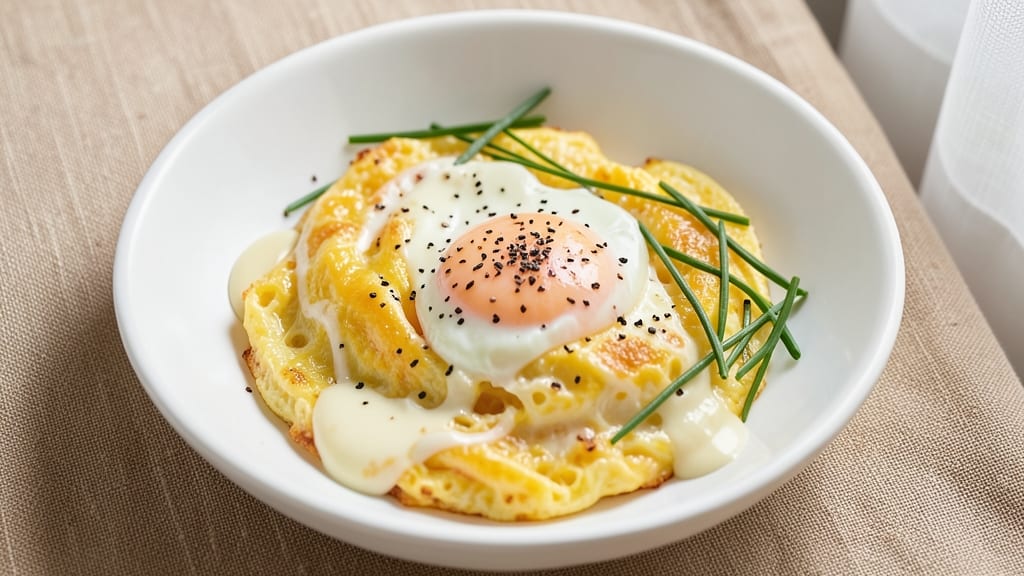
This 2 scrambled eggs recipe delivers buttery fluff in just 5 minutes—no overcooked edges or rubbery centers. The secret lies in precise heat control and gentle stirring, transforming simple eggs into a restaurant-quality breakfast.
I’ve perfected this technique after years of trial and error, ensuring every bite is tender, creamy, and packed with rich flavor.
What sets this recipe apart is the low-and-slow cooking method, which prevents the eggs from drying out while creating those signature soft curds.
A touch of cold butter stirred in at the end adds silky richness, while optional add-ins like chives, cheese, or a splash of cream let you customize the dish to your taste. The result? Eggs that are cloud-like yet sturdy enough to hold toppings without falling apart.
This method is foolproof—no fancy equipment or advanced skills required. Just a nonstick pan, medium-low heat, and a few minutes of your time. Whether you're rushing to work or savoring a leisurely weekend breakfast, these eggs will elevate your morning routine.
The texture is velvety, the flavor is bold, and the process is effortless.
Pair them with toast, avocado, or fresh herbs for a complete meal. Let’s get cooking—your perfect scrambled eggs are just minutes away.
Ingredients for 2 scrambled eggs
Just two ingredients transform ordinary eggs into restaurant-worthy buttery fluff in minutes.
| Ingredient | Amount | Notes |
|---|---|---|
| Large Eggs 🥚 | 2 whole | Freshly cracked for best texture |
| Unsalted Butter 🧈 | 1 tbsp | Cold, cut into small pieces |
| Heavy Cream 🥛 | 1 tbsp | Optional for extra richness |
| Diamond Crystal Kosher Salt 🧂 | ⅛ tsp | Fine grain preferred |
| Freshly Ground Black Pepper 🌶️ | ⅛ tsp | Freshly cracked preferred |
| Fresh Chives 🌿 | 1 tbsp | Chopped, for garnish (optional) |
| Shredded Sharp Cheddar Cheese 🧀 | ¼ cup | Optional for cheesy flavor |
| Extra-Virgin Olive Oil 🫒 | ½ tsp | For nonstick pan coating |
The eggs are non-negotiable—use large eggs for that perfect balance of yolk and white. Room temperature eggs scramble more evenly, so take them out of the fridge 10 minutes before cooking. Butter is your best friend here: unsalted, cold butter creates those signature ribbons. I always grab mine from Land O’Lakes or Plugrá—they melt beautifully without burning. For the pan, a nonstick skillet is ideal, but any smooth surface works. The olive oil just ensures nothing sticks—use something fruity like California Avocado Ranch for extra flavor.
No butter? Ghee or coconut oil works just as well—both have high smoke points. Short on heavy cream? Half-and-half or even whole milk adds creaminess without overpowering. The salt and pepper should be freshly ground—Diamond Crystal kosher dissolves perfectly, while pre-ground pepper loses its punch fast. Chives and cheese are totally optional, but I always keep them on hand. Fresh chives add a bright finish, while sharp cheddar melts beautifully. Pro tip: if you're using cheese, add it in the last 15 seconds of cooking so it doesn’t get rubbery.
Eggs scramble best fresh, but you can prep everything ahead. Whisk the eggs with salt and pepper in a bowl, then cover and refrigerate for up to 4 hours. The butter and cream can sit at room temperature for 30 minutes before cooking. Leftover scrambled eggs? They reheat beautifully—just add a splash of milk or cream and warm gently. Store in an airtight container for 3 days in the fridge, or freeze for 1 month. I always make a double batch on Sundays so I’ve got breakfast covered all week.
Why You'll Love This Recipe
- Two-Ingredient Magic: The butter and cream do all the heavy lifting—just crack, whisk, and let the heat work its spell. No chopping, no fuss, just melt-in-your-mouth texture that feels fancy without trying.
- Rich Without Effort: That splash of heavy cream turns ordinary eggs into something velvety and luxurious. Honestly, I’ve made scrambled eggs a dozen ways, but this combo—salt, pepper, and butter—is where it’s at. Simple, but ridiculously satisfying.
- Breakfast Anywhere: Pack these for a picnic, toss them in a thermos for the office, or serve them straight from the pan at 7 AM. They reheat beautifully, so they’re my go-to when I’m too tired to think past "protein + carbs."
- Pennies on the Plate: Two eggs, a pat of butter, and a dollop of cream? We’re talking under $1 for a meal that feels indulgent. Between us, this is how I feed my college kid on a budget—and he never complains.
Step-by-step instructions for perfectly fluffy scrambled eggs
Here's how to make silky, buttery scrambled eggs that stay creamy from first bite to last.
Whisk Eggs and Seasoning Until Fully Combined
Crack the 2 whole Large Eggs into a medium bowl and add the 1 tbsp Heavy Cream (if using). Whisk vigorously with a fork or small whisk for 30 seconds until the yolks and whites are fully incorporated and the mixture is slightly thickened. This creates tiny air pockets that prevent dense, rubbery eggs.
Add the 0.125 tsp Diamond Crystal Kosher Salt and 0.125 tsp Freshly Ground Black Pepper, then whisk another 10 seconds until evenly distributed. The seasoning should be completely dissolved—no visible salt crystals. Here's the thing: proper seasoning at this stage ensures every bite has balanced flavor, not just the surface.
Heat the Pan and Melt the Butter
Place an 8-inch nonstick skillet over medium-low heat (this is critical—high heat creates tough eggs). Add the 1 tbsp Unsalted Butter and let it melt completely, swirling the pan to coat the bottom evenly. You're aiming for 160°F—the butter should foam gently but not brown. If you see brown spots, reduce the heat immediately.
I like to add a 0.5 tsp Extra-Virgin Olive Oil along with the butter for extra insurance against sticking. The oil raises the smoke point slightly while maintaining that rich, buttery flavor. Wait until the butter is fully melted and the foam subsides before adding the eggs—this prevents curdling.
Cook Eggs on Low Heat Until Soft Curds Form
Pour the egg mixture into the skillet and let it sit undisturbed for 10 seconds—this allows the bottom to set slightly before you begin stirring. Then, using a silicone spatula, gently push the eggs from one side of the pan to the other in smooth, figure-eight motions. You want to create soft curds that just begin to set but remain creamy.
Cook for 1-2 minutes until the eggs are about 70% set but still slightly runny in the center. Here's where patience pays off: if you stir too aggressively or cook too long, you'll end up with dry, overcooked eggs. You're aiming for that signature "cloud-like" texture that melts on your tongue.
Fold in Cheese and Finish Cooking
When the eggs are just set but still slightly moist, sprinkle the 0.25 cup Shredded Sharp Cheddar Cheese evenly over the surface. Let it melt for 10-15 seconds, then gently fold the eggs together with the spatula, combining the cheese throughout. The residual heat will finish cooking the eggs while the cheese melts into a creamy, tangy sauce.
Remove the skillet from heat just as the eggs reach your desired doneness—soft and custardy is ideal. The eggs will continue cooking slightly from their residual heat. If you prefer firmer eggs, cook for an additional 10-15 seconds off the heat while folding.
Garnish and Serve Immediately
Transfer the eggs to warmed plates and top with the 1 tbsp Fresh Chives, chopped into small pieces. The chives add a fresh, bright contrast to the rich eggs. Serve immediately while the eggs are still creamy—scrambled eggs lose their perfect texture as they cool. I like to pair these with toasted sourdough or crispy hash browns for the ultimate breakfast.
Real talk: the secret to restaurant-quality scrambled eggs lies in the heat control and timing. Medium-low heat is your friend—it allows the eggs to cook gently without developing a rubbery texture. And don't skip the folding technique; it incorporates air and creates that signature fluffy texture.
Pro Tips For Making 2 Scrambled Eggs
- Whisk Like You Mean It: Crack those eggs into a bowl first, then add the heavy cream and whisk vigorously for 30 seconds—until the mixture is uniform and slightly thickened. I used to just stir lazily, and the eggs always turned out gummy. This step guarantees silky texture.
- Butter First, Then Eggs: Melt 1 tablespoon of unsalted butter in your pan over medium-low heat until it foams, then add the eggs without letting the butter brown. The butter should coat the pan evenly—this prevents sticking and adds rich flavor. (Yes, even if you’re impatient like me.)
- Salt the Eggs, Not Just the Pan: Sprinkle a pinch of kosher salt directly into the egg mixture before whisking, not just on top later. The salt dissolves into the eggs, seasoning them evenly—no dry, salty spots. I learned this the hard way after tasting unevenly seasoned eggs for years.
- Stop Stirring at 70% Cooked: Let the eggs cook undisturbed for 30 seconds after they start setting, then gently fold with a spatula—once—until just combined. Over-stirring makes them tough. The creamy bits are where the magic happens, so resist the urge to keep moving them.
Common mistakes when making this dish
Overheating the Pan
High heat is the #1 enemy of fluffy scrambled eggs. I’ve seen so many people crank the burner to high, thinking it’ll cook faster—it actually turns the eggs rubbery and dry.
Always use medium-low heat, and if your pan starts smoking or the butter browns too quickly, reduce it immediately. A good rule of thumb: the butter should foam gently but never brown. 🔥
Stirring Too Aggressively
Vigorous stirring breaks down the egg proteins too much, creating dense, gritty eggs. Instead, use gentle, figure-eight motions with a silicone spatula to create soft curds. I like to think of it like folding a blanket—smooth and controlled.
If you’re stirring too fast, the eggs will lose their cloud-like texture and turn into scrambled egg "sand."
Skipping the Resting Time
Many people pull eggs off the heat as soon as they look done, but scrambled eggs need a 10-15 second rest off the heat to finish cooking evenly. This residual heat ensures the center sets properly without overcooking the edges.
I’ve made this mistake too—eggs that looked perfect on the plate turned dry and tough once they cooled.
Using Old or Cold Eggs
Fresh eggs scramble best because their whites hold more air and their yolks stay rich. If your eggs are older than 1 week or straight from the fridge, they’ll scramble into dense, watery masses.
Let them sit at room temperature for 10 minutes before cooking. I always crack mine into a bowl first to check freshness—if the whites are watery, they’re past their prime.
Adding Cheese Too Early
Cheese melts quickly and can turn rubbery if added too soon. Sprinkle it over the eggs only in the last 10-15 seconds of cooking, then fold it in gently. The residual heat will melt it perfectly without making the eggs tough.
I’ve ruined eggs by adding cheese too early—it creates a weird, grainy texture that’s hard to fix. 🧀
Using the Wrong Pan
A nonstick skillet is ideal, but if you’re using cast iron or stainless steel, you risk sticking and uneven cooking. If you don’t have nonstick, lightly coat the pan with extra-virgin olive oil and use a thin layer of butter to prevent sticking.
I’ve had the best results with an 8-inch nonstick skillet—it’s the perfect size for 2 eggs and gives even heat distribution.
Nutrition facts
Frequently asked questions
Can I make these scrambled eggs without butter?
Yes! Use 1 tablespoon ghee or coconut oil instead—both work beautifully and have high smoke points. For extra richness, add 1 teaspoon heavy cream to the egg mixture before cooking. The key is maintaining that gentle, low-and-slow cooking method to keep the eggs creamy.
How do I keep my scrambled eggs warm while finishing breakfast?
Transfer the cooked eggs to a heatproof plate and place it on a low-temperature setting in your oven (around 170°F) for up to 10 minutes. Alternatively, keep them in the warm skillet on the lowest heat setting while you finish cooking other components. Never leave them on high heat—they'll dry out quickly!
Why did my eggs turn out rubbery?
Overcooking is the most common cause—high heat or stirring too aggressively breaks down the egg proteins. Use medium-low heat and stir gently in figure-eight motions until the eggs are just set (about 70% cooked). Remove from heat immediately when they're still slightly runny—they'll finish cooking from residual heat.
Can I make these eggs ahead of time?
For best texture, cook them fresh, but you can prep ingredients ahead. Whisk the eggs with seasoning and store in the fridge for up to 4 hours. Cook immediately after removing from the fridge. For leftovers, reheat gently with a splash of milk or cream in a nonstick pan over low heat—never microwave, as it makes them rubbery.
What's the best way to customize these scrambled eggs?
Try adding diced ham or smoked salmon for protein, sautéed mushrooms or spinach for veggies, or hot sauce or everything bagel seasoning for flavor. For extra richness, stir in 1 tablespoon sour cream at the end. The key is adding fillings in the last 30 seconds of cooking so they don't overcook.