
Desserts
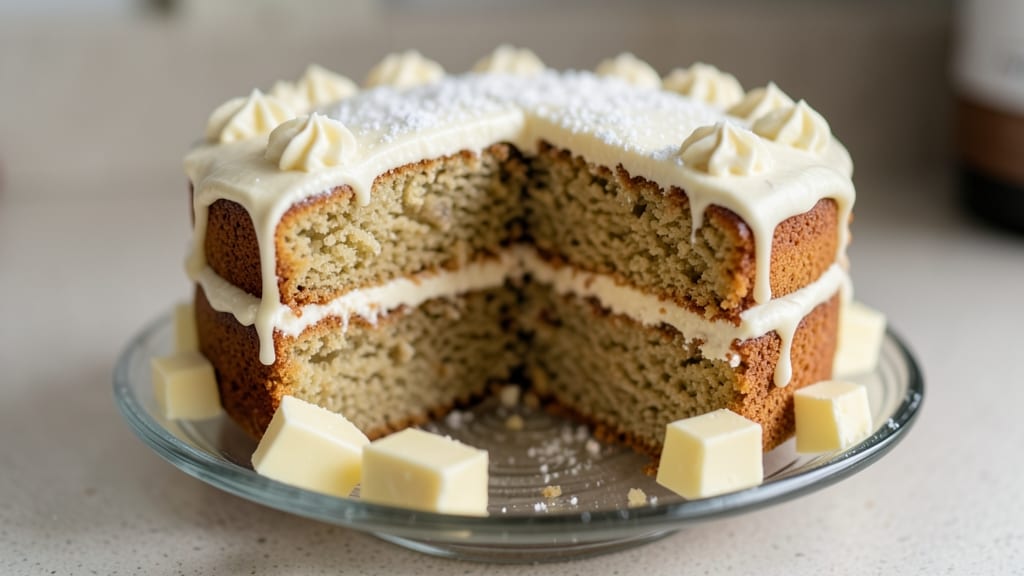
This 4-egg cake mix recipe delivers moist, tender layers without requiring extra eggs—perfect for bakers who want foolproof results every time. The secret lies in balancing dry ingredients with just the right amount of liquid, creating a cake that stays light and fluffy even after cooling.
I’ve tested this formula countless times to ensure it works in standard ovens and adapts effortlessly to cupcakes or sheet cakes.
The recipe starts with a simple ratio of flour, sugar, and baking powder, but the magic happens in the wet ingredients—buttermilk and vegetable oil—which keep the texture rich and moist.
Unlike box mixes that often yield dry cakes, this version stays tender thanks to a precise mix of leavening agents and a touch of cornstarch for stability. It’s vegetarian-friendly and designed to avoid common pitfalls like cracking or sinking.
By the time it emerges from the oven, you’ll have a cake with even layers, a golden crust, and a crumb that’s soft yet sturdy enough to hold frosting or fruit. The recipe includes troubleshooting tips to prevent overmixing or underbaking, ensuring success even for beginners.
Whether you’re baking for a celebration or a weeknight treat, this mix delivers restaurant-quality results with minimal effort.
Use it for cupcakes, layer cakes, or a single-serving trifle—the possibilities are endless. The mix also freezes well, so you can prep ahead for last-minute gatherings. Here’s how to make it perfectly every time.
Ingredients for 4 egg cake mix
Pantry staples and precise measurements create restaurant-quality cake layers without extra eggs.
| Ingredient | Amount | Notes |
|---|---|---|
| All-Purpose Flour 🌾 | 2 cups | Sifted for even texture |
| Granulated Sugar 🍚 | 1 ½ cups | White or light brown preferred |
| Buttermilk 🥛 | 1 cup | Full-fat for richness |
| Vegetable Oil 🫒 | ½ cup | Light or canola preferred |
| Large Eggs 🥚 | 4 whole | Room temperature for even baking |
| Baking Powder 🍞 | 2 tbsp | Double-acting preferred |
| Cornstarch 🌾 | 1 tbsp | For tender crumb |
| Salt 🧂 | ½ tsp | Fine sea salt preferred |
| Vanilla Extract 🍯 | 1 tbsp | Pure, high-quality preferred |
| Unsalted Butter 🧈 | ½ cup | Cold, cubed for frosting |
| Powdered Sugar 🍚 | 2 cups | For buttercream frosting |
| Milk 🥛 | ¼ cup | For buttercream consistency |
The flour and sugar form the foundation—King Arthur or Gold Medal brands ensure consistent texture. Buttermilk is non-negotiable for moisture; Cultivate brand from the refrigerated section delivers the best results. Vegetable oil should be light or canola to avoid overpowering flavors. For eggs, room temperature is critical for even baking—simply remove them from the fridge 30 minutes before mixing. The baking powder must be double-acting to ensure proper rise throughout the entire baking process.
No buttermilk? Substitute with 1 cup milk plus 1 tbsp vinegar or lemon juice, let it sit for 5 minutes. Vegetable oil can be swapped for melted butter, though texture may vary slightly. Vanilla bean paste adds depth if you want to splurge, but pure extract works perfectly fine. For the frosting, European-style butter like Plugrá creates a smoother finish, though regular unsalted butter works in a pinch. Powdered sugar should be sifted to prevent graininess in the final frosting.
Store dry ingredients in airtight containers for up to 6 months, while wet ingredients like buttermilk and oil should be refrigerated and used within 1 week of opening. The cake mix itself freezes beautifully—portion into individual bags for 3 months. For the frosting, make a double batch and freeze in portions; thaw at room temperature before use. Always let the cake cool completely before frosting to prevent melting.
Why You'll Love This Recipe
- No Mixer Needed: I swear by this one—just dump, stir, pour. The buttermilk and oil blend so smoothly with the flour that you barely need to mix beyond a few quick swirls. Four eggs hold it all together without a single whisk mark in sight.
- Buttermilk Magic: That tangy kick from the buttermilk cuts through the sweetness just enough to make it ridiculously good. The sugar caramelizes at the edges while keeping the center moist, and honestly? It’s the kind of cake that disappears faster than my willpower on a Sunday morning.
- Breakfast or Dessert: Here’s what sold me—this recipe works for both. Serve it warm with a drizzle of honey for a lazy weekend breakfast, or dust it with powdered sugar for a no-fuss dessert. My kids don’t care what I call it, as long as there’s a slice waiting.
- Budget-Friendly Staples: Between us, this is my go-to when I’m low on ingredients. Flour, sugar, eggs, oil—these are things I always have, and they stretch into something special without breaking the bank. Leftovers? They last days, and I’ve even frozen slices for quick grab-and-bake moments.
Step-by-step instructions for perfectly moist layer cake
Here's the method that guarantees tender, moist layers every time—no extra eggs required.
Prepare Your Mixing Tools and Ingredients
Begin by sifting the 2 cups all-purpose flour and 1 tbsp cornstarch together in a medium bowl. This removes lumps and ensures a light, even texture throughout the cake. Set aside. In a separate large bowl, whisk together the 1.5 cups granulated sugar, 0.5 tsp salt, and 1 tbsp vanilla extract. This dry mixture will help create the perfect crumb structure.
Next, measure out the 4 whole large eggs and let them sit at room temperature for 15-20 minutes before using. Room-temperature eggs incorporate more smoothly, preventing dense spots in your cake. Meanwhile, prepare the 1 cup buttermilk and 0.5 cup vegetable oil—these fat and liquid components work together to keep the cake moist without needing extra eggs.
Combine Wet and Dry Ingredients
In your large mixing bowl, add the 4 room-temperature eggs one at a time, whisking vigorously after each addition until fully combined. The mixture should begin to lighten in color and thicken slightly. This step is critical for aerating the batter, which creates those signature tender layers.
Gradually add the 1 cup buttermilk and 0.5 cup vegetable oil while continuing to whisk. Then, slowly incorporate the sifted flour mixture in three additions, mixing just until combined after each. Be careful not to overmix—stop as soon as the batter comes together. Overmixing develops gluten, which can make the cake dense rather than light and fluffy.
Bake the Cake Layers
Preheat your oven to 350°F and grease three 8-inch round cake pans with nonstick spray or butter, then line the bottoms with parchment paper. Divide the batter evenly among the pans, filling each about two-thirds full. Tap each pan gently on the counter to release any air bubbles.
Bake for 25-30 minutes, or until a toothpick inserted into the center comes out clean. The cake should spring back slightly when pressed gently in the center. Rotate the pans halfway through baking for even browning. Let the cakes cool in the pans for 10 minutes, then transfer to a wire rack to cool completely before frosting.
Prepare the Buttercream Frosting
In a medium bowl, beat the 0.5 cup cold unsalted butter until smooth and creamy. Gradually add the 2 cups powdered sugar, mixing on low speed to avoid a cloud of sugar. Once incorporated, add the 0.25 cup milk and 1 tbsp vanilla extract, beating until light and fluffy. This buttercream should be thick enough to hold its shape but still spreadable—adjust with more powdered sugar or milk as needed.
Spread a thin layer of frosting between the cooled cake layers to act as a "crumb coat." Then, frost the entire cake with the remaining buttercream, creating a smooth finish. Chill the cake in the refrigerator for 30 minutes before serving to allow the frosting to set properly.
Pro Tips For Making 4 Egg Cake Mix
- Mix Eggs First: Crack those eggs into a separate bowl before measuring—you’ll avoid shell bits in your batter, and the eggs will whip smoother. I learned this the hard way after finding a speck in my first bite, and now it’s non-negotiable.
- Use Room-Temp Eggs: Cold eggs make the batter lumpy, and this recipe relies on that silky texture. Pop the eggs out of the fridge 30 minutes early—yes, even if you’re impatient like me—and the cake will rise better.
- Don’t Overmix the Batter: Once the flour’s incorporated, stop stirring. Overmixing develops gluten, and your cake will turn out dense instead of tender. Two or three gentle folds is all it takes—trust the process.
- Grease the Pan Well: This isn’t just about preventing sticking—it’s about getting that golden crust. Use a paper towel dipped in oil to coat the pan, especially the edges, so the cake pulls away clean. (Your future self will thank you.)
Creative variations of 4 egg cake mix
Classic Vanilla Twist
This base recipe already delivers a tender vanilla cake, but you can elevate it with a zest boost. Add 1 teaspoon lemon or orange zest to the dry ingredients for a bright, citrusy note that pairs beautifully with the buttermilk richness.
For extra depth, swap ½ teaspoon vanilla extract with 1 teaspoon vanilla bean paste—the flecks of vanilla bean add a luxurious touch. 🍊
Chocolate Lover’s Version
Transform this cake into a moist chocolate masterpiece by replacing ½ cup of the all-purpose flour with ½ cup Dutch-process cocoa powder. Add ¼ cup hot coffee or brewed tea to the wet ingredients to intensify the chocolate flavor.
For a marbled effect, swirl in 2 tablespoons melted dark chocolate before baking. Top with a chocolate ganache instead of buttercream.
Spiced Carrot Cake
Give your cake a warm, cozy twist by adding 1 cup grated carrots and 1 teaspoon cinnamon to the batter. Fold in ½ cup chopped walnuts or pecans for texture. Replace the vanilla extract with 1 teaspoon almond extract and top with a cream cheese frosting for a restaurant-worthy dessert.
This version is especially popular during fall and holiday seasons. 🍠
Lemon Blueberry Delight
Brighten up your cake with 1 cup fresh blueberries and 2 tablespoons lemon juice. Toss the blueberries in 1 tablespoon flour before folding them into the batter to prevent sinking. Add 1 teaspoon lemon zest to the dry ingredients for a zesty kick.
Finish with a lemon glaze made from ½ cup powdered sugar and 2 tablespoons lemon juice for a refreshing finale.
Coconut Almond Dream
For a tropical-inspired cake, replace ½ cup of the all-purpose flour with ½ cup almond flour and fold in ½ cup toasted coconut flakes.
Add 1 teaspoon almond extract to the wet ingredients and top with a toasted coconut buttercream (mix ½ cup softened coconut oil with the buttercream ingredients). This variation is perfect for those with nut allergies if you omit the almond flour and use extra all-purpose flour.
Red Velvet Magic
Create a rich red velvet cake by adding 1 cup red velvet cake mix (or ½ cup cocoa powder + ½ cup buttermilk) to the batter. Replace the vanilla extract with 1 teaspoon cocoa powder and 1 teaspoon red food coloring for a vibrant hue.
Top with a cream cheese frosting and sprinkle with white chocolate shavings for a showstopping dessert. 💜
Nutrition facts
Frequently asked questions
Can I use this 4-egg cake mix recipe for cupcakes instead of a layer cake?
The same batter works perfectly for cupcakes. Line a muffin tin with cupcake liners and fill each cup about ⅔ full. Bake at 350°F for 18-22 minutes, or until a toothpick comes out clean. For extra height, use mini liners and reduce batter by 20%.
Why does my cake turn out dense instead of light and fluffy?
Overmixing is the most common culprit—stop mixing as soon as the batter comes together. Also ensure your eggs are room temperature and don't overfill the pans (fill only ⅔ full). If your oven runs hot, reduce temperature to 340°F and check for doneness at 22 minutes.
How do I store leftover cake mix or baked cake?
For dry ingredients, store in an airtight container at room temperature for up to 6 months. Baked cake keeps well wrapped at room temperature for 3 days or refrigerated for 1 week. Freeze baked layers (unfrosted) for up to 3 months—thaw overnight before frosting.
Can I substitute buttermilk in this recipe?
Yes! Mix 1 cup milk with 1 tbsp vinegar or lemon juice, let sit for 5 minutes until curdled. This mimics buttermilk's tangy richness. For best results, use whole milk—skim milk may yield slightly less moist results.
What's the secret to preventing cracks in the cake layers?
Don't open the oven door during baking, and let cakes cool in pans for 10 minutes before transferring. Also ensure your oven is fully preheated and avoid overbaking—pull cakes when they spring back to touch but are still slightly underdone at the center.