
Main Courses
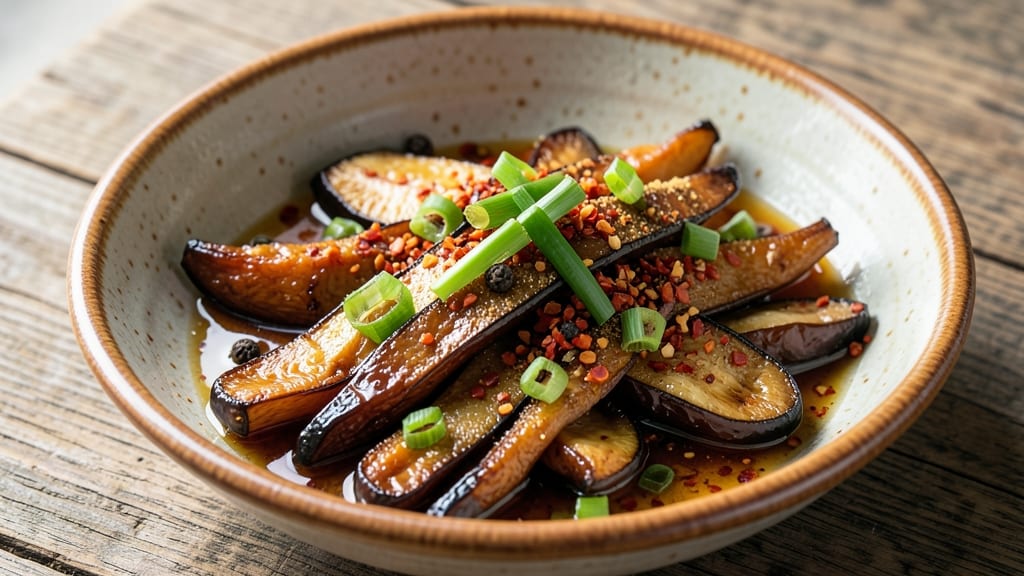
Mastering a Sichuan dry-fried eggplant recipe delivers that signature spicy-numbed crunch in just 20 minutes, transforming simple eggplant into a restaurant-worthy dish.
The secret lies in high-heat stir-frying with minimal oil, creating crispy edges while keeping the interior tender—a technique called dry frying that requires precise timing and wok control. This dish balances Sichuan’s signature numbing-spicy flavor with a satisfying crunch that disappears with every bite.
The process starts with slicing eggplant into even strips for consistent cooking, then salting to remove excess moisture before the quick stir-fry. A blend of Sichuan peppercorns, chili flakes, and garlic powder infuses the oil with bold, aromatic heat, while scallions add freshness.
The key is working fast—once the eggplant hits the wok, it needs 2-3 minutes of high heat to achieve that perfect crispy texture without burning.
What you’ll end up with is a plate of golden, shatteringly crisp eggplant strips that pack layers of flavor—spicy, numbing, and savory—all while maintaining that addictive crunch. The dish pairs beautifully with steamed rice or noodles, soaking up every bit of the aromatic oil.
This is the kind of recipe that proves Sichuan cuisine can be achieved at home with the right technique.
Whether you’re serving this as a main course or appetizer, the adaptability of the recipe makes it perfect for weeknight dinners or special occasions. The method works equally well in a wok or large skillet, so don’t let equipment hold you back. Let’s get cooking!
Ingredients for sichuan dry fried eggplant
Twelve ingredients deliver Sichuan's signature numbing-spicy crunch in 20 minutes of precise stir-frying.
| Ingredient | Amount | Notes |
|---|---|---|
| Japanese Eggplant 🍆 | 2 lb | Long variety, sliced into 1/4-inch strips |
| Sichuan Peppercorns 🌶️ | 1 ½ tbsp | Toasted and crushed for numbing effect |
| Red Chili Flakes 🌶️ | 1 tbsp | Adjust for preferred heat level |
| Garlic Powder 🧄 | 1 tbsp | Freshly ground preferred |
| Vegetable Oil 🫒 | ½ cup | High smoke point, like peanut oil |
| Green Onions 🧅 | ½ cup | Thinly sliced, white and green parts |
| Salt 🧂 | 2 tbsp | Diamond Crystal preferred |
| Sesame Oil 🫒 | 1 tbsp | Toasted for aroma, added at end |
| Light Soy Sauce 🥄 | 1 tbsp | Kikkoman preferred |
| Cornstarch 🌾 | 1 tbsp | For coating eggplant strips |
| White Pepper 🌶️ | ½ tsp | Freshly ground for subtle heat |
| Dried Ginger 🌿 | ½ tsp | Toasted and ground |
| Steamed White Rice 🍚 | 2 cups | For serving, cooked separately |
The eggplant is non-negotiable—Japanese eggplant with its tender flesh and minimal seeds delivers the best texture. Whole Foods or Asian markets carry it year-round, but most grocery stores stock it during summer. Look for firm, glossy skin with no soft spots. Slice into even strips (about 1/4-inch thick) for consistent cooking. The Sichuan peppercorns are the heart of the dish: toast them whole in a dry pan for 2 minutes until fragrant, then crush with a mortar and pestle for that signature numbing sensation. If you can't find whole peppercorns, pre-ground Sichuan peppercorn powder works in a pinch, though it lacks the aromatic depth.
No Sichuan peppercorns? Substitute equal parts black pepper and cayenne, but you'll lose that distinctive tingling effect. The chili flakes can be swapped for dried red chili threads (use half the amount) for a more authentic texture. For the oil, peanut oil is ideal due to its high smoke point, but vegetable or canola oil will work. The cornstarch coating is crucial—toss the eggplant strips in it before frying to create that signature crispy exterior. Trader Joe's sells pre-sliced eggplant in summer, which saves time, though fresh-cut always tastes better. The sesame oil should be added at the very end—just a few drops—to enhance aroma without overpowering the dish.
Salt the eggplant strips immediately after slicing and let them sit for 20 minutes to draw out excess moisture, then pat dry thoroughly. This step is essential for achieving that perfect crispy texture. The dish reheats beautifully—store leftovers in an airtight container for up to 3 days, though the texture softens slightly. For best results, serve immediately after cooking. The aromatic oil left in the wok can be saved and reused for stir-frying other vegetables, adding that signature Sichuan flavor to any dish. Portion the rice into individual containers for easy serving alongside the eggplant.
Why You'll Love This Recipe
- No-Chop Needed: I swear, the eggplant just needs slicing—not dicing. Those thick Japanese eggplant strips fry up perfectly without turning to mush, and honestly? I often just eyeball the thickness. Less prep, more crispy.
- Flavor Bomb Combo: That numbing heat from Sichuan peppercorns and chili flakes? It’s a party in your mouth. The garlic powder ties it all together—savory, spicy, and just a little addictive. My husband reaches for seconds before I even finish serving.
- Leftover Goldmine: This dish begs to be reheated. Cold or warm, it’s still amazing—crispy edges hold up, and the spices only get deeper. I portion it into containers on Sundays and grab it for lunches all week. Zero guilt, all satisfaction.
- Budget Crispy Magic: Japanese eggplant is cheap, and a little oil goes a long way. You’re getting restaurant-quality texture for pennies, and the spices? A tiny jar lasts forever. Between us, this is my go-to when I’m broke but refuse to eat sad food.
Step-by-step instructions for Sichuan dry fried eggplant
Master this iconic Sichuan technique for crispy, numbing-spicy eggplant that balances texture and heat perfectly.
Prepare the Eggplant for Maximum Crispiness
Slice the 2 lb Japanese Eggplant into ¼-inch thick strips—the long variety works best for this texture. Pat each strip completely dry with paper towels, pressing firmly to remove all moisture. This step is critical; any remaining water will prevent proper crisping. Arrange the strips on a clean kitchen towel and sprinkle evenly with 1 tbsp cornstarch, tossing gently to coat. Let them sit for 10 minutes while you prepare the seasoning blend.
While the eggplant rests, toast the 1.5 tbsp Sichuan peppercorns in a dry skillet over medium heat for 2-3 minutes until fragrant and slightly darkened. Immediately crush them with a mortar and pestle or rolling pin—this releases their numbing oils. In a small bowl, mix the crushed Sichuan peppercorns with 1 tbsp red chili flakes, 1 tbsp garlic powder, 2 tbsp salt, 0.5 tsp white pepper, and 0.5 tsp dried ginger. The blend should have a deep reddish-brown color and a complex aroma of heat and numbing.
Create the Perfect Stir-Fry Base
Heat 0.5 cup vegetable oil in a 14-inch wok or large skillet over medium-high heat until shimmering but not smoking—350°F on an instant-read thermometer. Add the eggplant strips in a single layer, being careful not to overcrowd. Stir-fry for 3-4 minutes until the edges turn golden and crispy. If the oil temperature drops below 325°F, add more oil in 1-tablespoon increments to maintain heat.
Once the eggplant is lightly browned, remove it to a plate and set aside. In the same wok, add the 0.5 cup green onions (white and green parts separated) and stir-fry for 30 seconds until the whites soften slightly. Immediately add the 1 tbsp light soy sauce and toss to combine. Return the eggplant to the wok and mix everything together, coating the strips evenly with the sauce and aromatics.
Finish with Heat and Aroma
Reduce heat to medium-low and stir-fry for an additional 2-3 minutes, allowing the flavors to meld. The eggplant should now be deep golden brown with crispy edges and tender centers. Add 1 tbsp toasted sesame oil and toss vigorously for 30 seconds—this infuses the dish with nutty aroma and balances the heat.
Taste and adjust seasoning if needed. The dish should have a bold Sichuan heat with a gradual numbing sensation from the peppercorns. Serve immediately over 2 cups steamed white rice, ensuring each bite delivers crispy eggplant, aromatic green onions, and that signature numbing-spicy kick. The rice helps temper the intensity while soaking up any leftover sauce.
Mastering the Timing for Perfect Texture
This dish relies on precise timing to achieve its signature crispy-yet-tender texture. The total cooking time from start to finish should be no more than 20 minutes—any longer and the eggplant will lose its crunch. Work in batches if needed, but avoid overcrowding the wok, as this will steam the eggplant instead of crisping it.
For best results, serve immediately while the eggplant is still crispy. If storing, keep in an airtight container for up to 2 days, but reheat only until warmed through—microwaving will destroy the crispiness. The numbing effect of the Sichuan peppercorns will intensify slightly as the dish cools, so adjust the amount to your tolerance level. Each bite should deliver a perfect balance of texture, heat, and aroma—this is what makes Sichuan dry fried eggplant a standout dish.
Pro Tips For Making Sichuan Dry Fried Eggplant
- Salt the Eggplant First: Toss sliced eggplant in 1-2 teaspoons of salt and let it sit for 10 minutes before cooking—this pulls out excess moisture so your oil doesn’t smoke like a firework display. I learned this the hard way after frying eggplant that hissed and spat like a grease volcano.
- Use High Heat, Then Low: Start with oil smoking at 350°F (175°C) to sear the eggplant—this locks in flavor—but drop to medium-low once the slices brown. Rushing the heat gives you crispy edges and soggy centers, and no one wants that.
- Toast the Sichuan Peppercorns: Dry-toast the peppercorns in a separate pan for 30 seconds until fragrant before grinding—this cuts through the bitterness and makes the numbing kick sing. Skip this, and your dish tastes like medicine instead of Sichuan magic.
- Stir-Fry in Batches: Crowd the pan, and your eggplant steams instead of frying. Work in single layers, giving each batch 3-4 minutes per side until golden. Yes, it means more flipping, but the result is worth the effort—crispy, not greasy.
Troubleshooting perfect results
Oil Temperature Control
The most common issue with Sichuan dry-fried eggplant is soggy texture, usually caused by oil that's too cool. Use a wok thermometer to maintain oil between 350-375°F—this ensures proper crisping.
I like the Thermoworks Thermapen for accuracy. If your oil smokes excessively, reduce heat slightly—too much smoke burns the eggplant before it crisps. 🌡️
Eggplant Prep Mistakes
Skipping the salting step or not drying thoroughly ruins the crispiness. After slicing, sprinkle 2 tbsp salt over the eggplant and let it sit for 20 minutes—this removes excess moisture.
Pat each strip completely dry with paper towels before cornstarch coating. I've ruined batches by rushing this step, so don't skip it!
Overcrowding the Wok
Adding too many eggplant strips at once steams instead of crisps. Work in batches if needed—your wok should only hold half the total eggplant at once.
I use a 14-inch wok and never exceed 12 strips per batch. Overcrowding also causes uneven cooking and dulls the wok's natural heat distribution.
Seasoning Balance Issues
The Sichuan peppercorns should provide a gradual numbing sensation, not overwhelming heat. If your dish tastes too spicy, reduce the red chili flakes by ½ tsp next time.
For more numbing, toast the peppercorns longer (up to 4 minutes) before crushing. I've found Penzeys Sichuan peppercorn powder works well if you can't find whole peppercorns.
Timing Problems
This dish cooks in 20 minutes total—any longer and the eggplant loses crispiness. Use a timer for the 3-4 minute stir-fry phase. If your eggplant cooks too quickly, reduce heat slightly.
The key is maintaining high heat while preventing burning. I've had success using a cast iron skillet if I don't have my wok available.
Serving Temperature
Serve immediately while the eggplant is still crispy—even 5 minutes of resting time can make it soggy. The dish reheats poorly, so cook only what you'll serve. If storing, keep in an airtight container for up to 2 days, but reheat only until warmed through.
The numbing effect intensifies as the dish cools, so adjust peppercorn amounts to taste. 💡
Nutrition facts
Frequently asked questions
Why does my Sichuan dry-fried eggplant turn out soggy?
Soggy texture happens when moisture remains in the eggplant or oil temperature drops too low. Always salt the eggplant for 20 minutes before cooking to draw out water, then pat completely dry. Use a thermometer to keep oil between 350-375°F—any cooler and the eggplant steams instead of crisps.
Can I substitute Japanese eggplant with regular eggplant?
Regular eggplant works but won't be as tender or crispy. Look for long, slender varieties (like Italian eggplant) and slice them 1/4-inch thick. The key is thorough drying—salting for 20 minutes and patting with paper towels helps compensate for the difference.
How do I control the spice level in this dish?
For milder heat, reduce red chili flakes by 1/2 tsp or use dried chili threads (half the amount). For more numbing, toast the Sichuan peppercorns 3-4 minutes before crushing. If you're sensitive to spice, start with 1 tsp chili flakes and adjust to taste.
What's the best way to reheat leftover Sichuan eggplant?
This dish reheats poorly—microwaving destroys the crispiness. Instead, heat in a dry skillet over medium-high heat for 1-2 minutes until warmed through. For best results, cook only what you'll serve immediately. The numbing effect intensifies when cold, so adjust peppercorn amounts to taste.
Can I make this dish without a wok?
A 12-inch cast iron skillet or heavy-bottomed pan works perfectly. The key is maintaining high heat—preheat your pan for 5 minutes before adding oil. Use 1/4 cup oil total and work in batches to avoid overcrowding. The texture will be slightly different but still delicious.