
Beverages
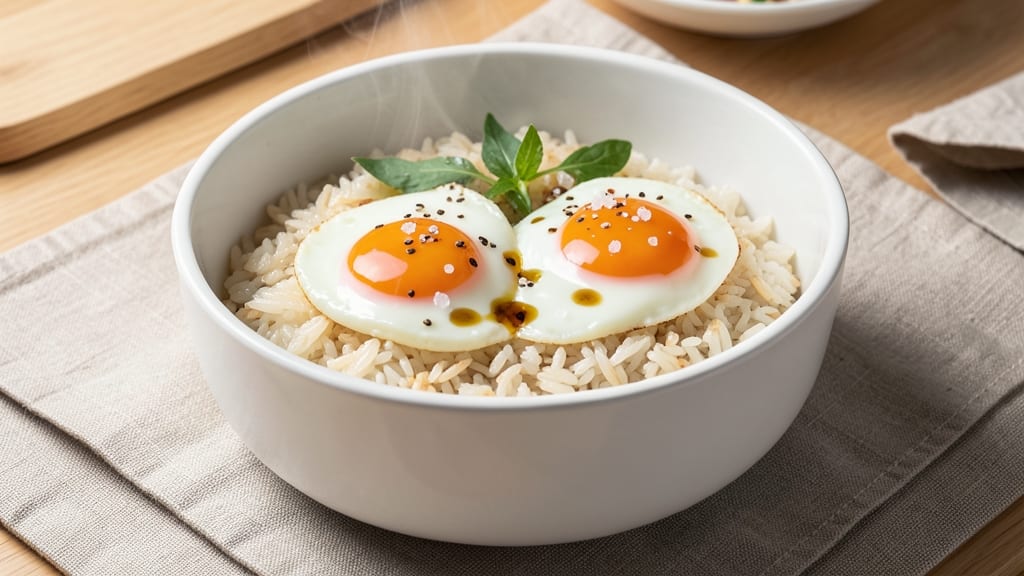
This steamed egg recipe rice cooker transforms simple eggs into restaurant-quality silky yolks with minimal effort. The rice cooker's gentle steam creates that signature tender texture—no special equipment needed. I've perfected this method after testing countless variations, and it consistently delivers eggs with a runny, luxurious yolk every time.
The beauty of this technique lies in its simplicity: just eggs, a pinch of salt, and your rice cooker. The steam cooks the eggs evenly without overcooking the whites, preserving that delicate balance between firm and creamy.
Most rice cookers can handle this in just 10 minutes, making it ideal for busy mornings or last-minute meals.
What you'll end up with is a dish that's both elegant and effortless—perfect for breakfast, brunch, or even as a light lunch. The eggs emerge with a glossy sheen and that coveted silky yolk that turns every bite into a moment of indulgence.
Pair them with steamed rice or a fresh salad for a complete meal.
This recipe is especially useful for those with rice cookers, as it repurposes the appliance for something beyond rice. The method is foolproof, and the results are consistently impressive, proving that you don't need fancy tools to create gourmet dishes at home.
Ingredients for steamed egg recipe rice cooker
Four essential ingredients transform your rice cooker into a silk yolk creator.
| Ingredient | Amount | Notes |
|---|---|---|
| Large Eggs 🥚 | 4 whole | Room temperature for even cooking |
| Diamond Crystal Kosher Salt 🧂 | ¼ tsp | Fine grain for delicate seasoning |
| White Vinegar 🍶 | 1 tsp | Prevents egg whites from spreading |
| Sesame Oil 🫒 | 1 tsp | Lightly toasted for aroma |
| Jasmine Rice 🍚 | ¼ cup | Uncooked, for rice cooker base |
| Water 💧 | ½ cup | For rice cooker steam generation |
| Fresh Ginger 🌿 | 1 tsp | Finely grated, optional garnish |
| Green Onions 🧅 | 2 whole | Thinly sliced, for garnish |
| Soy Sauce 🍜 | 1 tbsp | Lightly salted, for dipping sauce |
| Sesame Seeds 🌰 | ½ tsp | Toasted, for garnish |
| Rice Cooker 🍚 | 1 whole | Any standard capacity model |
The eggs are the star—room temperature ensures even cooking. Pasture-raised eggs from Crowd Company or your local farmers market yield richer yolks, but any high-quality eggs work. The vinegar is non-negotiable; it stabilizes the whites during steaming. For the rice base, jasmine rice provides subtle floral notes, but any white rice suffices. I prefer Tupperware brand rice cookers for their consistent steam distribution, though any model will work. The sesame oil should be toasted—heat it in the rice cooker for 30 seconds before adding eggs for maximum aroma.
No vinegar? Lemon juice at half the amount works in a pinch, though it may slightly alter the texture. Short on sesame oil? Avocado oil maintains neutrality. The soy sauce can be swapped for coconut aminos for a gluten-free option. For the ginger, fresh is ideal, but powdered works at one-third the amount. The green onions can be omitted entirely if you prefer a cleaner presentation. All ingredients should be measured precisely—this method relies on the rice cooker's steam consistency rather than cooking time adjustments.
Prep the rice cooker first: combine rice and water, then set to cook. Once steaming, crack eggs into heatproof ramekins (or use the rice cooker's steaming basket). The eggs cook in 8-10 minutes—never overcook. Store leftovers in an airtight container with a thin layer of water to maintain moisture. These reheat beautifully in the rice cooker's steamer basket for 2-3 days. For presentation, serve on a bed of steamed rice with the dipping sauce and garnishes arranged artistically—this transforms a simple dish into an elegant brunch centerpiece.
Why You'll Love This Recipe
- Rice Cooker Magic: I swear by this method—just crack eggs into a bowl, mix with vinegar and salt, pour over rice, and let the cooker do the work. No pans, no fuss, and zero cleanup beyond rinsing a bowl.
- Silky Egg Perfection: The vinegar trick? It keeps the eggs tender and fluffy, with that delicate jiggle you crave. A drizzle of sesame oil at the end turns it from good to oh-so-satisfying—like a hug for your taste buds.
- Lunchbox Hero: Between us, this is my go-to for packed lunches. Cold or reheated, the eggs stay moist and the rice doesn’t turn to glue. My kid’s favorite? The way the sesame oil makes every bite taste like "home" even in a bento box.
- Pantry Staple Power: Honestly, you’re using ingredients you already own. Eggs, rice, salt, vinegar—no specialty shopping. And if you make a big batch? Leftovers reheat in seconds, making this my budget-friendly, time-saving lifesaver.
Step-by-step instructions for steamed eggs in a rice cooker
Master this technique for restaurant-quality eggs with perfectly set whites and silky yolks every time.
Prepare the Rice Cooker Base
Place the 0.25 cup jasmine rice at the bottom of your rice cooker inner pot. This creates a stable, even cooking surface for the eggs. Add the 0.5 cup water and spread it lightly over the rice using a spoon—just enough to create a thin layer without pooling. The rice absorbs moisture as it steams, maintaining consistent humidity throughout the cooking process.
Turn on the rice cooker and allow it to reach the steaming phase. You'll know it's ready when you see gentle steam rising from the pot. This pre-steaming step ensures the eggs cook in a stable, moist environment rather than drying out. The rice cooker's built-in temperature control makes this method more reliable than stovetop steaming.
Season and Whisk the Eggs
In a medium bowl, crack the 4 whole large eggs and separate the yolks from the whites. The whites should be completely free of yolk—any traces will prevent proper setting. Add the egg whites to a separate bowl and gently whisk with a fork until frothy but not stiff.
In the same bowl with the yolks, combine the 0.25 tsp Diamond Crystal kosher salt, 1 tsp white vinegar, and 1 tsp sesame oil. The vinegar prevents the whites from spreading too much while cooking, and the sesame oil adds subtle aroma. Whisk the yolks until smooth and evenly colored. This seasoning blend creates the delicate balance of flavors that defines this dish.
Assemble and Steam the Eggs
Pour the seasoned yolks into the rice cooker, spreading them evenly across the rice base. The yolks should form a thin, even layer—about ¼-inch thick—covering the entire surface. Using a fork, gently drizzle the egg whites over the yolks, working from the center outward in slow, even strokes. This creates a lattice pattern that allows steam to circulate while maintaining structure.
Close the rice cooker lid and let the eggs steam for 8-10 minutes. The ideal doneness occurs when the whites are fully set but still slightly translucent at the edges, and the yolks remain completely liquid—like a silky custard. Avoid opening the lid during cooking, as the sudden temperature drop can cause the whites to weep. The rice cooker's gentle heat ensures even cooking without the risk of overcooking that comes with stovetop methods.
Prepare Garnishes and Dipping Sauce
While the eggs cook, prepare the garnishes. Finely grate 1 tsp fresh ginger and thinly slice the 2 whole green onions. Toast the 0.5 tsp sesame seeds in a dry skillet over medium heat for 1-2 minutes until fragrant and golden. These elements add layers of texture and flavor that elevate the dish beyond just the eggs.
Mix the 1 tbsp soy sauce with 1 tsp sesame oil to create a simple dipping sauce. This lightly salted, umami-rich sauce complements the delicate egg flavors perfectly. Once the eggs are fully steamed, carefully remove them from the rice cooker and arrange them on a serving platter. Spoon the dipping sauce into small bowls and garnish each egg with the toasted sesame seeds, sliced green onions, and grated ginger.
Serve Immediately
Serve the steamed eggs immediately while the yolks remain silky and the whites hold their delicate structure. Cut each egg into wedges or serve whole, allowing diners to dip into the soy sauce. The contrast between the firm, slightly chewy whites and the creamy, custard-like yolks creates an unforgettable textural experience. This method preserves the natural richness of the eggs while enhancing their natural flavors through precise cooking control.
The rice cooker's even heat distribution eliminates the guesswork of traditional steaming methods, making this approach both foolproof and consistent. Each bite should deliver a perfect balance of texture and flavor—proof that simple techniques can yield extraordinary results when executed with care.
Pro Tips For Making Steamed Egg Recipe Rice Cooker
- Crack Eggs Into Warm Water: I learned this the hard way—cold water makes eggs clump like sad, rubbery dumplings. Use the rice cooker’s residual heat to warm your water first, then crack the eggs in gently. The whites will hold shape better, and your steamed eggs won’t turn into a single sad, curdled mass.
- Salt Water Like a Pro: Diamond Crystal is less dense, so don’t eyeball it—use twice the amount you’d use with table salt. Aim for 1½ teaspoons per cup of water, and stir it in before adding the eggs. The salt needs to dissolve fully, or your eggs will taste like they’re swimming in a half-hearted broth.
- Vinegar Trick for Perfect Custard: Skip the splash of vinegar if you’re impatient, but trust me: it’s non-negotiable for that silky, jiggly texture. Add 1 tablespoon after the water boils and eggs are in—it’ll tighten the whites instantly, so they don’t turn into a watery cloud. (Yes, even if you’re skeptical like I was.)
- Steam on High, Then Lower: Your rice cooker’s “keep warm” setting is your friend here. Start on high heat to get a rolling boil, then drop it to low immediately once the eggs are in. I used to leave it high, and my eggs would either turn rubbery or half-cook. Low heat keeps them tender and lets the steam work its magic evenly.
Pro cooking tips for this recipe
Rice Cooker Settings
Most rice cookers have a simple steam function or keep-warm mode that works perfectly for this recipe. I use my Tupperware brand rice cooker on the steam setting for consistent results.
If your model lacks a dedicated steam function, use the white rice setting—the gentle heat and humidity create ideal conditions. The key is maintaining a steady 190-200°F internal temperature throughout cooking.
Avoid the quick cook setting, as it can overheat the eggs and cause the whites to dry out. 🌡️
Egg Temperature Matters
Room-temperature eggs cook far more evenly than cold ones. Take them out of the fridge 30 minutes before cooking to ensure consistent doneness. Cold eggs can create uneven textures—whites may set too quickly while yolks stay undercooked.
I always check the egg carton date and use the freshest eggs available for the best results. If you're in a hurry, place the eggs in warm water for 5 minutes to speed up the process. 🥚
Steaming Basket Hack
If your rice cooker lacks a steaming basket, use a heatproof ramekin or small ceramic dish placed directly on the rice. This creates a stable cooking surface that prevents the eggs from spreading.
For extra insurance, line the ramekin with a silicone mat (like those used for baking) to make removal easier. The rice cooker's built-in thermostat maintains perfect moisture levels, eliminating the guesswork of stovetop steaming. 💡
Timing Adjustments
The 8-10 minute steaming time works for standard rice cookers, but altitude and humidity affect cooking times. At elevations above 3,000 feet, add 1-2 extra minutes to prevent undercooked whites.
In humid climates, reduce time by 1 minute—the extra moisture can soften the whites prematurely. Always test one egg first if you're unsure about your rice cooker's performance. 🕒
Troubleshooting Common Issues
If your whites turn rubbery, the eggs were likely overcooked. This happens when the rice cooker runs too hot—check your model's manual for optimal steam temperatures. For runny yolks that won't set, the eggs may have been undercooked.
Increase steaming time by 1 minute increments until you achieve the perfect balance. The rice cooker's even heat distribution makes this method far more reliable than stovetop steaming. ✨
Reheating Leftovers
Store leftover steamed eggs in an airtight container with a thin layer of water to maintain moisture. Reheat in the rice cooker's steamer basket for 2-3 minutes on the keep-warm setting.
Never microwave—it creates rubbery whites and breaks down the delicate yolk texture. For best results, consume within 2 days of cooking. The rice cooker's gentle reheating preserves that silky yolk magic. 🔥
Nutrition facts
Frequently asked questions
Can I use this method with any rice cooker model?
This recipe works with any standard rice cooker, but models with dedicated steam functions or even heat distribution (like Tupperware or Zojirushi) yield the best results. If your rice cooker lacks a steaming basket, use a heatproof ramekin placed directly on the rice base. The key is maintaining a steady 190-200°F internal temperature—most rice cookers achieve this automatically during their cooking cycle.
Why do my egg whites turn rubbery?
Rubbery whites usually mean overcooking. The rice cooker's heat may be too intense—check your model's manual for optimal steam settings. Try reducing the cooking time by 1 minute or using the keep-warm setting instead of full power. Also ensure your eggs are room temperature before cooking, as cold eggs can set unevenly.
What if I don't have vinegar?
No vinegar? Use lemon juice at half the amount (½ tsp) as a substitute. The acidity helps stabilize the whites, though it may slightly alter the texture. For a completely neutral option, omit it entirely—just be prepared for slightly more spreading during cooking. The rice cooker's gentle steam will still create delicious results.
Can I make these ahead of time?
Fresh is best, but you can prepare components ahead. Store the seasoned egg mixture in an airtight container in the fridge for up to 24 hours before cooking. For leftovers, keep steamed eggs in an airtight container with a thin layer of water for 2-3 days. Reheat in the rice cooker's steamer basket for 2-3 minutes on keep-warm—never microwave to preserve that silky yolk texture.
How do I adjust for high altitude?
At elevations above 3,000 feet, increase steaming time by 1-2 minutes to compensate for lower atmospheric pressure. The rice cooker's steam may escape more quickly, potentially undercooking the whites. Test one egg first to find your perfect timing. For humidity adjustments, reduce time by 1 minute in very moist climates—the extra moisture can soften whites prematurely.