
Soups & Stews
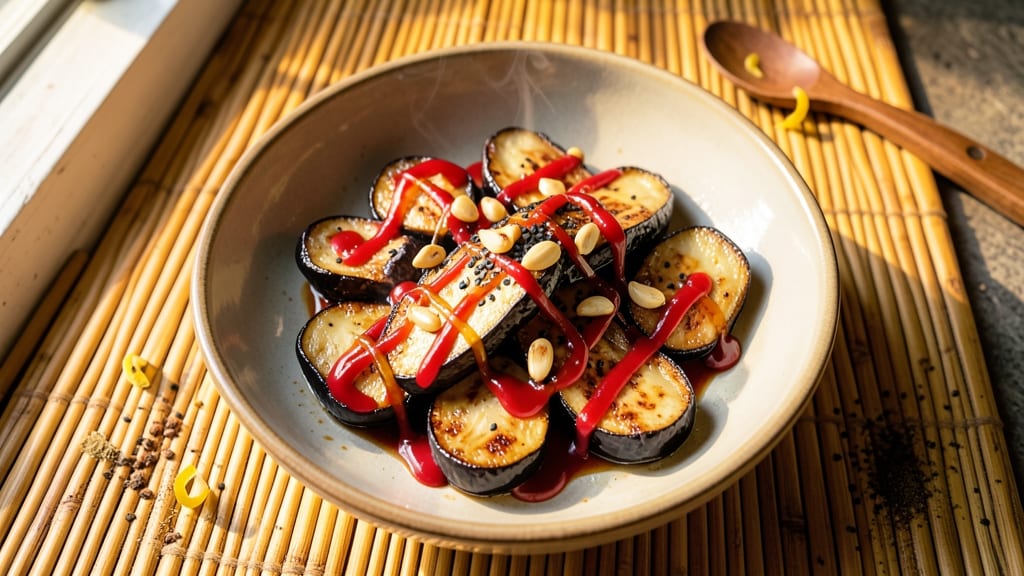
This sweet chili eggplant recipe transforms humble eggplant into glazed caramelized bites with a perfect balance of spicy-sweet heat—ideal for vegetarian meals that pack serious flavor. 🌶️ The secret lies in marinating the eggplant in a tangy-sweet chili sauce before caramelizing it to golden perfection, creating a dish that’s tender yet crisp at the edges.
This isn’t just a side; it’s a showstopper that holds its own as a main course.
The process is straightforward but yields restaurant-quality results: slice the eggplant into even rounds, marinate in a blend of sweet chili sauce, garlic, and a touch of soy for depth, then bake or grill until the edges are deeply caramelized and the centers stay juicy.
The sauce reduces into a sticky glaze that clings to every bite, delivering layers of umami, heat, and natural sweetness from the eggplant itself.
What you’ll end up with is a dish that’s visually stunning—glossy, caramelized eggplant with a vibrant chili glaze—and irresistibly flavorful, striking the ideal balance between sweet and spicy.
It’s versatile enough to pair with steamed jasmine rice, fluffy couscous, or even as a topping for noodles, but it’s so satisfying on its own that you might not need anything else.
Perfect for weeknight dinners, meal prep, or impressing guests, this recipe proves that vegetarian dishes can be bold, complex, and deeply satisfying without relying on meat. Let’s get cooking—your taste buds (and dinner table) will thank you.
Ingredients for sweet chili eggplant
Transform humble eggplant into showstopping glazed bites with this spicy-sweet vegetarian masterpiece.
| Ingredient | Amount | Notes |
|---|---|---|
| Japanese Eggplant 🍆 | 2 whole | Medium-sized, sliced into rounds |
| Sweet Chili Sauce 🍅 | ½ cup | Store-bought or homemade blend |
| Garlic Cloves 🧄 | 4 cloves | Minced for marinade |
| Soy Sauce 🍶 | 2 tbsp | Low-sodium preferred |
| Sesame Oil 🫒 | 1 tbsp | Toasted for aroma |
| Honey 🍯 | 1 tbsp | Or maple syrup for vegan option |
| Olive Oil 🫒 | 2 tbsp | For brushing eggplant |
| Red Chili Flakes 🌶️ | 1 tsp | Adjust for heat preference |
| Lime Juice 🍋 | 1 tbsp | Freshly squeezed |
| Salt 🧂 | 1 tsp | Kosher or sea salt |
| Black Pepper 🌶️ | ½ tsp | Freshly ground |
| Toasted Sesame Seeds 🌾 | 1 tbsp | For garnish |
| Fresh Cilantro 🌿 | ¼ cup | Chopped, optional garnish |
Japanese eggplant is the star here—its tender flesh caramelizes beautifully. Most grocery stores carry it, but if you can't find it, regular eggplant works (just slice it thinner). Look for firm, glossy skins with no soft spots. I usually grab mine from Whole Foods or the Asian market section at Trader Joe's. The sweet chili sauce should have a balance of sweet and heat—Maesri or Huy Fong brands are my go-tos, but any quality store-bought will do. Fresh garlic and lime are non-negotiable for that bright, tangy kick that cuts through the sweetness.
No sweet chili sauce? Mix 3 tbsp ketchup with 1 tbsp sriracha and 1 tsp soy sauce for a quick substitute. Short on sesame oil? Avocado oil works in a pinch, though it lacks that nutty aroma. The honey adds depth, but maple syrup gives a similar caramel note. For extra umami, add 1 tsp miso paste to the marinade. If you're feeling adventurous, swap the olive oil for avocado oil when brushing—it has a higher smoke point for grilling. The chili flakes can be adjusted based on your heat tolerance; start with half if you're sensitive.
Slice the eggplant as evenly as possible—this ensures even cooking. Store any leftover marinade in a sealed container in the fridge for 5 days, or freeze for 3 months. The caramelized eggplant keeps well for 4 days in the fridge, but it reheats best if you warm it gently in a skillet. For meal prep, portion into single servings and reheat with a splash of water to restore moisture. Garnish with sesame seeds and cilantro right before serving—those fresh elements make all the difference.
Why You'll Love This Recipe
- One-Pan Magic: I swear by this recipe when I’m too tired to wash dishes—just slice the eggplant, toss it in the sauce with minced garlic, and roast. That’s it. The eggplant caramelizes right on the tray while you’re chopping up whatever else you’re serving.
- Sweet Heat Balance: Between us, this sauce combo is chef’s kiss—the sweet chili’s tang cuts through the eggplant’s meatiness, and the sesame oil adds this nutty depth. Honestly, it’s the kind of flavor that makes you reach for seconds without even thinking.
- Leftover Hero: This dish actually improves the next day. The eggplant soaks up the sauce better, and the flavors meld into something even richer. I’ll often pack half for lunch—it’s the perfect cold or room-temp meal that doesn’t need reheating.
- Budget Crowd-Pleaser: Japanese eggplant might sound fancy, but it’s way cheaper than most proteins, and the sauce ingredients are pantry staples. Feed four people for the cost of two meals out, and everyone—even my picky teenager—asks for it. (Yes, even on a Tuesday night.)
Step-by-step instructions for glazed caramelized eggplant
Transform simple eggplant into irresistible bites with this perfect balance of caramelized texture and spicy-sweet sauce.
🔥 Step 1: Prep and Marinate the Eggplant
Slice the 2 whole Japanese eggplant crosswise into ½-inch thick rounds—about 8 slices total. Pat them completely dry with paper towels, which ensures maximum browning later. Place the slices in a bowl and toss gently with 2 tablespoons olive oil, 1 tablespoon soy sauce, and ½ teaspoon black pepper. Let them marinate for 15 minutes while you prep the rest.
I like to arrange the slices in a single layer so they absorb the marinade evenly. The olive oil creates a protective barrier that prevents the eggplant from absorbing too much sauce later, keeping those slices tender instead of soggy. Don't skip the drying step—moisture turns crispy into mushy.
🍳 Step 2: Caramelize the Eggplant Perfectly
Heat a large skillet over medium-high heat until it's hot but not smoking. Add the eggplant slices in a single layer, leaving space between them. Cook undisturbed for 3-4 minutes per side until they develop deep golden-brown spots with some char at the edges. You'll see them puff slightly—that's when you know they're cooking through.
Here's the thing—don't crowd the pan. If you stack them, they'll steam instead of caramelize. Work in batches if needed, but keep the heat consistent. The eggplant should be tender when pierced with a fork but still hold its shape. If they brown too quickly, reduce heat slightly to prevent burning.
🥘 Step 3: Build the Spicy-Sweet Glaze
In the same skillet (no need to clean it—those browned bits are flavor gold), add the 4 minced garlic cloves and cook for 30 seconds until fragrant. Pour in the ½ cup sweet chili sauce, 1 tablespoon honey, 1 tablespoon lime juice, and 1 teaspoon red chili flakes. Stir everything together and let it simmer for 2-3 minutes until slightly thickened.
This is where the magic happens—the sweet chili sauce melts into a glossy glaze while the garlic infuses its aromatic punch. If the sauce looks too thick, add 1 tablespoon water to loosen it slightly. The glaze should coat the back of a spoon but still be pourable enough to coat the eggplant beautifully.
🍽️ Step 4: Glaze and Finish
Return the caramelized eggplant to the skillet and spoon the glaze generously over each slice. Cook for another 2-3 minutes on medium heat, spooning the sauce around so every surface gets coated. You want those slices to absorb the glaze but still maintain their caramelized texture—not soggy.
Taste the sauce before serving—it should sing with sweetness, heat, and umami. If it needs more brightness, add a splash of lime juice. If it needs more depth, a drizzle of sesame oil works wonders. The eggplant should be tender, glossy, and perfectly balanced between caramelized edges and silky centers.
👨🍳 Step 5: Garnish and Serve
Transfer the glazed eggplant to a serving platter and immediately sprinkle with 1 tablespoon toasted sesame seeds and ¼ cup chopped fresh cilantro. The sesame seeds add nutty crunch while the cilantro brings freshness to cut through the richness. Serve warm as an appetizer, side dish, or even a main with steamed rice.
Here's my pro tip: Let the eggplant rest for 5 minutes after cooking. This allows the glaze to set slightly, making it easier to handle and preventing a messy plate. The flavors will continue developing during this time, giving you that perfect restaurant-quality finish.
Pro Tips For Making Sweet Chili Eggplant
- CHAR THE EGPLANT FIRST: I learned this the hard way—Japanese eggplant has a weird sponge-like texture if you skip charring. Heat a dry pan over medium-high until it’s smoking, then sear the eggplant cut-side down for 2-3 minutes per side until blackened. The caramelized edges soak up the sweet chili sauce like a dream, while the inside stays tender. (Yes, even if you’re impatient like me, resist the urge to rush this.)
- SLICE GARLIC THIN: Minced garlic burns fast and turns bitter in sweet chili sauce. Instead, smash 3-4 cloves flat with the side of your knife, then slice them paper-thin—like ribbons. They’ll infuse flavor without overpowering the dish, and you won’t spend 10 minutes fishing out burnt bits. (Pro move: Add them at the very end when the sauce is simmering.)
- SALTY FIRST, SWEET LATER: Toss the charred eggplant in 1 tablespoon soy sauce before adding the sweet chili sauce. This prevents the sauce from turning into a gloppy mess—soy’s salt helps the eggplant release moisture gradually. Add the sweet chili sauce only after the eggplant has rested for 5 minutes under foil. (Your future self will thank you.)
- DON’T OVERMIX THE SAUCE: Stir the sweet chili sauce into the eggplant just until combined—lumps are fine. Overmixing turns the dish into a sticky, one-note sludge. Instead, let the sauce cling to the charred edges and garlic. Toss gently, then let it sit for 2 minutes off heat so the flavors meld. (Sounds weird, but it works: the eggplant absorbs the sauce better this way.)
Dietary considerations for this sweet chili eggplant
Vegetarian-Friendly
This sweet chili eggplant dish is a vegetarian powerhouse, delivering bold flavors without any meat or dairy. The eggplant provides fiber and potassium, while the sweet chili sauce adds vitamin C and antioxidants.
I love serving this as a protein-rich vegetarian main—especially when paired with quinoa or tofu, which adds complete amino acids. 🌱
Gluten-Free Adaptations
Most store-bought sweet chili sauces contain wheat or soy, so always check labels. For a gluten-free version, use a tamari-based soy sauce (like San-J Tamari) instead of regular soy sauce.
I also recommend making your own sauce by blending 3 tbsp ketchup, 1 tbsp rice vinegar, 1 tbsp honey, and ½ tsp red chili flakes. This keeps the dish safe for gluten-sensitive diets while maintaining that perfect sweet-spicy balance.
Low-Carb Options
Eggplant is naturally low in carbs (about 6g net carbs per cup), making this dish a great fit for keto or low-carb diets. To keep it even lower in carbs, skip the honey and use monk fruit sweetener instead.
The sweet chili sauce can be a sticking point—opt for a sugar-free version like Cholula Sweet Chili Sauce (check labels for hidden sugars). Serve with cauliflower rice for a net-carb-friendly meal under 10g carbs per serving.
Spice Sensitivity Tips
If you or your guests are sensitive to heat, reduce the red chili flakes to ½ teaspoon or swap them for mild paprika. For a milder but still flavorful version, add 1 teaspoon honey to balance the heat.
I also keep a small bowl of plain Greek yogurt on the side—it cools the palate beautifully between bites. The eggplant itself absorbs flavors well, so the sweet chili glaze will still shine even with less spice. 🌶️
Allergen Awareness
This recipe contains soy (in soy sauce and sweet chili sauce), sesame (in oil and seeds), and citrus (lime juice). For soy-free versions, use coconut aminos instead of soy sauce.
If sesame allergies are a concern, omit the sesame oil and seeds, and garnish with toasted pumpkin seeds for crunch instead. Always double-check ingredient labels, as cross-contamination can occur in processed sauces. 🚨
Nutrition facts
Frequently asked questions
Can I use regular eggplant instead of Japanese eggplant?
Yes, but you'll need to adjust the cooking time. Regular eggplant has thicker skin and more moisture, so slice it ¼-inch thick and cook it for 2-3 minutes per side instead of 3-4 minutes. Pat it extra dry first to prevent sogginess. Japanese eggplant is preferred for its tender flesh and fewer seeds, but regular eggplant works in a pinch.
How do I make this recipe spicier?
Boost the heat by adding ½ teaspoon extra red chili flakes to the glaze or a splash of sriracha (1-2 teaspoons). For deeper heat, stir in 1 teaspoon gochujang (Korean chili paste) when building the sauce. The eggplant absorbs flavors well, so don't be shy—just balance with extra lime juice if needed.
Can I bake this instead of pan-searing?
Preheat oven to 400°F, toss the marinated eggplant with 1 tablespoon olive oil, and arrange on a parchment-lined baking sheet. Bake for 15-18 minutes, flipping halfway, until caramelized. Broil for 1-2 minutes at the end for extra crispiness. The texture will be slightly softer than pan-seared but still delicious.
What if my eggplant turns out mushy?
Mushy eggplant usually means it absorbed too much moisture. Next time, pat slices extremely dry before marinating and reduce the soy sauce by ½ tablespoon. Also, avoid overcrowding the pan—cook in batches if needed. For a quick fix, pan-sear the mushy slices for 1-2 minutes to crisp the edges while reheating the glaze.
How can I make this dish vegan?
Swap the honey for maple syrup or agave, use tamari instead of soy sauce, and check your sweet chili sauce for honey. Garnish with toasted pumpkin seeds instead of sesame seeds if needed. The dish remains rich and flavorful while being completely plant-based.