
Breakfast & Brunch
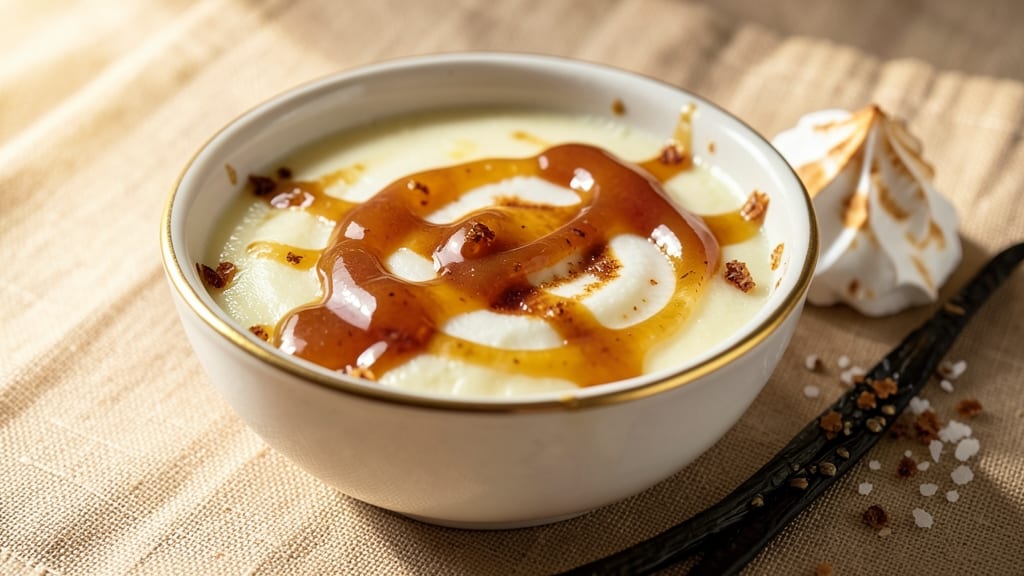
This sweet egg custard recipe transforms simple ingredients into a velvety vanilla dream with a caramelized base that feels like a restaurant dessert. The secret lies in precise temperature control and slow cooking—no lumps, just silky perfection.
I perfected this technique after years of trial and error, and it's now my go-to for elegant breakfasts or decadent desserts.
The custard develops a rich, creamy texture when cooked gently over a double boiler, while the caramelized base adds depth and a touch of sweetness that balances the vanilla.
This method ensures every bite delivers that luxurious mouthfeel without requiring advanced skills. The recipe scales beautifully, whether you're serving one or a crowd.
What makes this custard truly special is its versatility—infuse it with chocolate, fruit purées, or spices like cinnamon for endless variations. The key to success is patience: letting the custard thicken gradually at the right temperature prevents curdling.
By the time you're done, you'll have a dessert that looks as impressive as it tastes.
Serve it warm for a comforting breakfast or chilled as a light dessert with fresh berries. The caramelized base adds a sophisticated touch that elevates it beyond basic custard. Here's how to achieve that restaurant-quality result at home.
Ingredients for sweet egg custard
Six core ingredients transform into a luxurious custard with restaurant-quality caramel base.
| Ingredient | Amount | Notes |
|---|---|---|
| Large Egg Yolks 🥚 | 6 whole | Fresh, high-quality yolks preferred |
| Whole Milk 🥛 | 2 cups | Full-fat for creaminess |
| Granulated Sugar 🍚 | ¾ cup | Superfine preferred for smoothness |
| Vanilla Extract 🌿 | 2 tsp | Pure Madagascar bourbon |
| Unsalted Butter 🧈 | ½ cup | Cold, cubed for caramel base |
| Brown Sugar 🍚 | ¼ cup | Packed, for caramelization |
| Cornstarch 🌾 | ½ tbsp | Slurry with cold milk |
| Salt 🧂 | ¼ tsp | Fine sea salt preferred |
| Heavy Cream 🥛 | ½ cup | 36% fat for stability |
| Granulated Sugar 🍚 | ¼ cup | Extra for dusting |
| Cinnamon Sticks 🌿 | 2 whole | Optional for infusion |
The yolks are the foundation—fresh, high-quality yolks from pasture-raised eggs make all the difference. Whole Foods or local farms carry the best quality, but any store's refrigerated eggs work fine. For the caramel base, European-style butter (like Plugrá) adds deeper flavor than standard brands. Brown sugar should be packed—don't scoop it loosely. The vanilla extract? Madagascar bourbon is the gold standard, though pure imitation works in a pinch. Store your vanilla in a cool, dark place to preserve its potency for months.
No vanilla extract? Seeds from a vanilla bean (scraped and steeped) work beautifully, though they require more time. Running low on cornstarch? Arrowroot powder at equal measure is a perfect substitute. The custard can be made dairy-free by swapping milk for full-fat coconut milk>, though texture will differ slightly. For extra richness, add 1 oz dark chocolate>, melted and whisked into the warm custard. Always use a thermometer—170°F is the magic temperature for silky perfection.
Caramelized base keeps for 5 days> refrigerated, while the custard itself lasts 4 days> in sealed containers. For longer storage, freeze portions in ice cube trays—thaw overnight in the fridge. The custard thickens as it cools, so don't overmix when warm. Dust with extra sugar before serving for that restaurant touch. Leftovers reheat beautifully>—just warm gently over a double boiler to maintain texture.
Why You'll Love This Recipe
- Five-Ingredient Magic: I swear by this recipe because it’s that simple—just yolks, milk, sugar, vanilla, and butter. No fancy gadgets, no stress, just a saucepan and a whisk. Honestly, if you can scramble eggs, you can nail this.
- Silky Smooth Payoff: That first spoonful of custard—warm, velvety, with vanilla whispering through the richness? It’s the kind of dessert that makes you pause mid-bite. The butter adds a quiet luxury without overpowering, and the sugar dissolves just enough to feel indulgent, not cloying.
- Weeknight Dessert Hack: Make a double batch on Sunday, then reheat portions for instant pudding, ice cream topping, or even a quick breakfast custard. Between us, I’ve served this cold as a trifle layer, warm as a sauce for pancakes, and straight from the pot when I’m too tired to do anything else. It’s my lazy genius.
- Budget-Friendly Luxury: Egg yolks and milk are cheap, but this tastes like a bakery’s finest crème brûlée. I’ll be real: I’ve made this for potlucks, book club desserts, and even as a gift (in a pretty jar) without breaking the bank. The ingredients stretch, and the flavor stretches further—every time.
Step-by-step instructions for silky vanilla custard with caramelized base
Mastering this custard requires precision—follow these steps for a velvety texture and perfect caramel foundation.
Create the Caramel Base
In a heavy-bottomed saucepan, combine the 0.5 cup unsalted butter and 0.25 cup packed brown sugar over medium-low heat. Stir constantly with a silicone spatula until the butter melts completely and the mixture turns a deep amber color—this should take about 5-7 minutes. The caramel should smell rich and toasty, with a slightly buttery aroma.
Here's the thing—don't rush this step. If the caramel starts to darken too quickly, reduce the heat to the lowest setting. You want a balance between deep color and sweetness without bitterness. Once golden amber, immediately remove from heat and set aside. The residual heat will keep it warm while you prepare the custard mixture.
Prepare the Custard Mixture
In a separate bowl, whisk together the 6 whole large egg yolks, 0.75 cup granulated sugar, 2 tsp vanilla extract, and 0.25 tsp salt until the mixture is pale yellow and fully combined—about 2-3 minutes of vigorous whisking. This ensures the sugar dissolves completely and the eggs emulsify properly for a silky texture.
Next, create a slurry by whisking 0.5 tbsp cornstarch with ¼ cup of the 2 cups whole milk until smooth. Slowly pour this slurry into the egg mixture while whisking constantly to prevent curdling. The reason we temper the eggs with milk first is to create a stable base before adding the remaining liquid—this prevents scrambled eggs when heat is introduced later.
Infuse and Heat the Milk
In a clean saucepan, combine the remaining 1¾ cups whole milk with the 2 whole cinnamon sticks (if using) and heat over medium heat until it just begins to simmer—small bubbles at the edges, but not a full rolling boil. Remove from heat and let steep for 5 minutes to infuse the milk with subtle cinnamon warmth.
Strain the milk through a fine-mesh sieve to remove the cinnamon sticks, then gradually pour the warm milk into the egg mixture while whisking continuously. This slow incorporation prevents temperature shock that could cause the custard to curdle. The mixture should now be smooth and slightly thickened from the cornstarch.
Cook the Custard to Perfection
Return the custard mixture to the clean saucepan and place over medium-low heat. Stir constantly with a wooden spoon or silicone spatula, scraping the bottom and sides to prevent any potential sticking. The custard will begin to thicken gradually—you're looking for it to coat the back of a spoon and leave a clear path when you run your finger through it, which should take about 5-7 minutes.
Here's where attention to detail matters: the custard should reach 170-175°F on an instant-read thermometer. This temperature ensures the eggs are fully cooked without curdling. If you don't have a thermometer, the "finger test" works—when the custard reaches this temperature, it will feel like warm pudding and leave a clean line when you drag your finger through it.
Finish and Set the Custard
Immediately remove the pan from heat and stir in the 0.5 cup heavy cream and remaining 0.25 cup granulated sugar until fully incorporated. The cream will add luxurious body and a slight sheen to the final custard. Pour the custard through a fine-mesh sieve into a clean bowl to ensure absolute smoothness—this removes any potential lumps from the cornstarch.
For the best texture, divide the custard among 6 ramekins or serving dishes. Cover each with plastic wrap pressed directly onto the surface to prevent a skin from forming. Place in an ice bath (fill a large bowl with ice and water) and chill for at least 4 hours, preferably overnight. This slow chilling creates the signature silky texture that makes this custard exceptional.
Pro Tips For Making Sweet Egg Custard
- Whisk Until Ribbon Stage: Stop mixing the egg yolks and sugar when the mixture forms a thick ribbon that holds its shape when the whisk is lifted—about 3-4 minutes of vigorous whisking. I learned this the hard way after overmixing one batch into a sad, flat paste that wouldn’t set properly.
- Temper Milk Gradually: Slowly drizzle the hot milk into the yolk mixture while whisking constantly, not the other way around. My grandmother swore by this, and she was right: rushing it turns the custard into scrambled eggs instead of silky perfection.
- Skip the Boiling Point: Remove the custard from heat the second it reaches a gentle simmer—tiny bubbles at the edges, not rolling boil. I was skeptical until I tried it: letting it boil even for 30 seconds makes the texture grainy and breaks the delicate emulsion.
- Strain Before Baking: Pour the custard through a fine-mesh sieve into your baking dish—yes, even if it looks smooth. After burning three batches, I finally figured out that stray bits of cooked egg or milk solids create ugly spots when baking. Worth the extra 30 seconds.
Common mistakes when making perfect results
Overheating the Custard
One of the most common mistakes is letting the custard boil or even come close to it. When the temperature exceeds 175°F, the eggs will scramble, creating a grainy, curdled texture instead of that silky smoothness we're after.
I've ruined custards this way more times than I'd admit—always keep the heat at medium-low and monitor closely. A thermometer is your best friend here. 🌡️
Rushing the Chilling Process
You might be eager to serve your custard right away, but patience is key. Rushing the chilling process by placing hot custard in the fridge too soon causes uneven cooling, leading to cracks or a skin forming on top.
Instead, let the custard cool to room temperature (about 30 minutes) before refrigerating. For the creamiest texture, chill it overnight—this slow process develops the signature velvety mouthfeel.
Skipping the Slurry Step
Many recipes call for cornstarch or flour to thicken custards, but simply whisking it into the eggs can lead to lumps. The secret is making a cornstarch slurry> with cold milk first.
This ensures the thickener disperses smoothly without clumping. I've seen custards with visible cornstarch specks—trust me, it ruins the silky texture. Always whisk the slurry vigorously before adding it to the eggs.
Using Low-Quality Ingredients
Cheap butter, old eggs, or imitation vanilla can make or break your custard. I've tried store-brand butter that burned instead of caramelizing, and custards made with powdered milk that separated. Invest in high-fat dairy> (like Plugrá butter or full-fat milk) and fresh eggs>.
The yolks should be bright yellow, not pale or cloudy. For vanilla, Madagascar bourbon extract is worth the splurge—it adds depth that imitation can't match.
Ignoring the Caramel Base
Many home cooks skip the caramel base entirely, but it's what transforms this custard from ordinary to extraordinary. If you burn the caramel, it'll taste bitter and ruin the whole dish. Keep the heat medium-low> and stir constantly.
If it starts darkening too quickly, remove the pan from heat for a minute to cool slightly. The caramel should be deep amber, not black—this balances sweetness and adds that restaurant-quality depth.
Not Pressing Plastic Wrap
After pouring the custard into ramekins, covering it with plastic wrap is crucial—but pressing the wrap directly onto the surface is even more important. If air gets trapped, a skin will form, and the custard won't set properly.
I've had custards with tough, rubbery skins because I didn't press the wrap firmly enough. Use a spoon to smooth the surface first, then press the wrap tightly against it. This ensures a silky, jiggly texture when served. ✨
Nutrition facts
Frequently asked questions
Can I make this custard without an egg separator?
Since this recipe uses whole eggs (just yolks), you don't need a separator. Simply crack 6 large eggs into a bowl, separate the yolks from whites, and discard the whites. The yolks are what create that signature rich, creamy texture—no separation required!
How do I fix a custard that's too thin?
If your custard didn't thicken enough, don't panic! Mix 1 tbsp cornstarch with 2 tbsp cold milk to make a slurry, then gently warm it and whisk into the custard over low heat until thickened. Alternatively, chill it completely and blend briefly for a smoother texture. The key is patience—never rush the thickening process.
Can I substitute vanilla extract with something else?
Yes! For a more intense flavor, scrape 1 vanilla bean and steep it in ¼ cup warm milk for 10 minutes before using. You can also use 1 tsp vanilla sugar> or ½ tsp almond extract>, but adjust sweetness accordingly. Madagascar bourbon extract remains the gold standard for that authentic custard aroma.
Why did my custard curdle?
Curdling usually happens from one of three things: overheating (above 175°F), adding cold milk too quickly, or not whisking constantly. To fix it, strain the custard through a fine-mesh sieve to remove lumps, then gently reheat while whisking until smooth. Next time, use a thermometer and keep heat at medium-low while stirring constantly.
How can I serve this custard for breakfast?
Warm the custard slightly (just enough to soften) and serve in small bowls with a drizzle of the caramel base. Top with fresh berries, a sprinkle of toasted nuts, or a dusting of powdered sugar. For extra flair, add a shortbread cookie crumble or a dollop of whipped cream. The contrast of warm custard with cool toppings makes it perfect for brunch!