
Main Courses
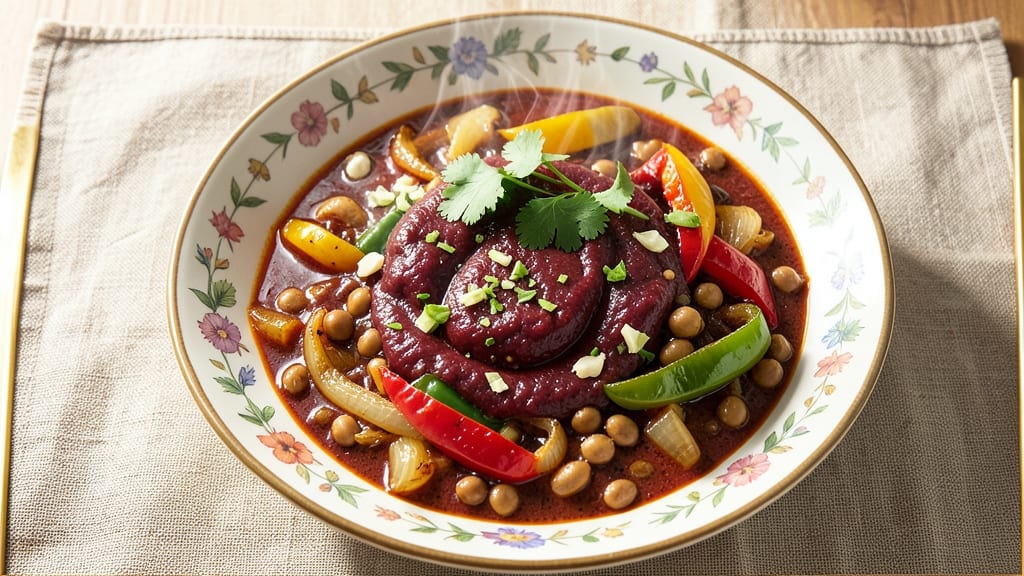
This vegan veggie curry recipe delivers restaurant-quality depth with spiced lentils and coconut milk, proving plant-based meals can be just as rich and satisfying. The secret lies in slow-cooked spices that bloom in the pot, creating layers of warmth and aroma that transform simple vegetables into something extraordinary.
I developed this version after years of refining techniques to ensure every bite is balanced—creamy from coconut, hearty from lentils, and vibrant with fresh herbs.
The beauty of this curry is its versatility—it works as a standalone main dish or pairs perfectly with rice, naan, or roti. What sets it apart is the way the spices (cumin, coriander, turmeric) develop during the simmer, infusing the coconut milk with complex flavor.
Unlike many vegan curries that rely on heavy cream substitutes, this version shines with natural richness from the lentils and coconut, making it both nutritious and deeply flavorful.
By the time you serve it, you'll have a fragrant, golden-hued curry with tender vegetables, protein-packed lentils, and a sauce that's velvety yet bright. The slow cooking process allows all the flavors to meld beautifully, resulting in a dish that's comforting yet exciting—perfect for weeknight dinners or impressing guests.
The best part? It's easily customizable with your favorite vegetables or proteins like tofu or tempeh.
Ready to transform your dinner table? This recipe builds on traditional techniques while adapting them for modern vegan cooking. The instructions are straightforward, but the results are anything but basic—this is the kind of curry that makes people ask for seconds. Let's get cooking!
Ingredients for vegan veggie curry
Spiced lentils, fragrant coconut milk, and vibrant vegetables create this restaurant-worthy vegan curry.
| Ingredient | Amount | Notes |
|---|---|---|
| Brown Lentils 🌾 | 1 ½ cups | Rinsed thoroughly before cooking |
| Full-Fat Coconut Milk 🥥 | 1 can (13.5 oz) | Canned, no additives |
| Yellow Onion 🧅 | 1 whole | Medium size, finely chopped |
| Garlic Cloves 🧄 | 4 cloves | Fresh, minced finely |
| Fresh Ginger 🌿 | 1 tbsp | Grated, for zing |
| Ground Cumin 🌶️ | 1 tbsp | Toasted for depth |
| Ground Coriander 🌿 | 1 tbsp | Freshly ground preferred |
| Turmeric Powder 🌶️ | 1 tsp | Bright yellow color |
| Garam Masala 🌶️ | 1 tsp | For aromatic finish |
| Tomato Paste 🍅 | 2 tbsp | No sugar added |
| Carrots 🥕 | 2 medium | Peeled, sliced into rounds |
| Bell Pepper 🌶️ | 1 whole | Red or green, diced |
| Fresh Cilantro 🌿 | ¼ cup | Chopped, for garnish |
| Fresh Lemon Juice 🍋 | 1 tbsp | Brightens flavors |
| Vegetable Broth 💧 | 1 ½ cups | Low-sodium preferred |
| Olive Oil 🫒 | 2 tbsp | Extra-virgin for richness |
| Salt 🧂 | 1 tsp | Kosher or sea salt |
| Black Pepper 🌶️ | ½ tsp | Freshly ground |
The lentils are the heart of this curry—brown lentils hold their shape beautifully while soaking up all those warm spices. Trader Joe's and Whole Foods carry the best quality in bulk bins, but any grocery store's canned lentils work in a pinch. Fresh ginger and garlic are non-negotiable here—they're what gives this curry its depth. Look for plump, firm ginger root with no soft spots, and garlic cloves that aren't sprouting. For the coconut milk, full-fat is essential—it creates that velvety texture without needing heavy cream substitutes. The canned version works perfectly for this recipe, but if you want to go fancy, you can use a carton of coconut milk and stir in a tablespoon of coconut cream for extra richness.
No fresh ginger? Substitute with 1.5 teaspoons of ground ginger, but trust me, fresh is better. Running out of garam masala? Mix equal parts cumin, coriander, and cinnamon for a close approximation. The bell pepper can be swapped for zucchini or mushrooms if you're feeling adventurous. For the tomato paste, Trader Joe's squeeze tubes are perfect—they're convenient and keep well. If you're using pre-diced vegetables, give them a quick rinse to remove any excess preservatives. The spices are where this curry really shines, so don't skimp—toast your whole spices in a dry pan for 30 seconds before grinding to wake up their flavors.
This curry tastes even better the next day as all the flavors meld together. Store leftovers in an airtight container in the fridge for up to 5 days, or freeze portions for 3 months. I like to portion mine into containers with a scoop of rice already in the bottom—just reheat and serve. The fresh cilantro can be added right before serving, so don't worry about wilting. If you're meal prepping, make a double batch and freeze half immediately—the spices keep developing in the freezer, making it even more flavorful when you're ready to eat. The coconut milk will separate when refrigerated, so give it a good stir before reheating.
Why You'll Love This Recipe
- One-Pot Magic: I swear by this recipe—just toss everything into one pot, stir, and let it simmer. No chopping marathons, no last-minute grocery runs for obscure spices. The lentils soften while the coconut milk thickens, and honestly? That’s about as hands-off as curry gets.
- Ginger-Garlic Bomb: Between us, the fresh ginger and garlic here are the stars. I don’t even bother with pre-minced stuff—grating it yourself releases way more flavor. That slow caramelization in the onion? It turns this curry into something dangerously addictive, especially when the coconut milk comes together.
- Meal Prep MVP: This curry doubles as dinner tonight and lunch tomorrow—no question. The lentils hold up perfectly, and the coconut milk keeps it creamy even reheated. I’ll be real: I’ve made it three times in a row for my family, and no one’s complained. (My daughter even picks out the onions first, but still asks for seconds.)
- Budget-Friendly Powerhouse: Brown lentils and onions are my wallet’s best friend, and full-fat coconut milk stretches the flavor without breaking the bank. A single batch feeds four for under $10, and the leftovers? They’re the reason I don’t stress about grocery bills. Plus, it’s one of those recipes where you can swap in whatever veggies you have—no waste, just satisfaction.
Step-by-step instructions for spiced lentil and coconut harmony
Let's create a rich, aromatic vegan curry that's packed with protein and vibrant flavors.
Sauté Aromatics Until Fragrant
Heat the 2 tablespoons olive oil in a large pot over medium heat. Add the finely chopped yellow onion and cook for 5 minutes until soft and translucent. Here's where the magic begins—you'll smell the onions caramelizing slightly.
Add the minced garlic cloves and grated fresh ginger, stirring constantly for 1 minute until the raw garlic smell disappears. This quick cooking prevents bitterness. Immediately add the 1 tablespoon ground cumin and 1 tablespoon ground coriander, stirring for another 30 seconds to toast the spices. You'll see them dance and release their aromatic oils—this step builds the curry's foundation.
Build the Spiced Base
Stir in the 2 tablespoons tomato paste and cook for 2 minutes until it darkens slightly and loses its raw taste. Add the 1 teaspoon turmeric powder and 1 teaspoon garam masala, stirring vigorously to distribute the spices evenly. The mixture should take on a beautiful golden hue.
Pour in the 1.5 cups vegetable broth and bring to a gentle simmer. Add the 1.5 cups rinsed brown lentils, the sliced carrots, and the diced bell pepper. Stir gently to combine, then add the 1 teaspoon salt and ½ teaspoon black pepper. The broth should just cover the ingredients—if it's too shallow, add a splash of water.
Simmer the Lentils Until Tender
Reduce heat to low and let the curry simmer uncovered for 20 minutes, stirring occasionally. You'll notice the lentils begin to soften and the flavors meld together. After 20 minutes, check the lentils—they should be tender but still hold their shape. If they're not quite ready, continue simmering for another 5-10 minutes.
Here's the thing—don't skip the uncovered simmering. The exposed surface allows excess moisture to evaporate, creating a thicker, more flavorful curry. If the mixture looks too dry, add ¼ cup water and stir.
Finish with Coconut Milk and Brighten
Once the lentils are tender, stir in the 1 can (13.5 oz) full-fat coconut milk and bring the curry back to a gentle simmer. Let it cook for 10 minutes to allow the coconut flavor to infuse fully. The curry should be thick and creamy, with a beautiful golden color from the spices.
Remove from heat and stir in the 1 tablespoon fresh lemon juice. This final step brightens the flavors and cuts through the richness of the coconut milk. Taste and adjust seasoning—you might need a pinch more salt or a sprinkle of garam masala to enhance the depth.
Rest and Garnish for Serving
Let the curry rest for 5 minutes before serving. This allows all the flavors to settle and the textures to meld perfectly. The lentils will continue to absorb the rich coconut sauce, making each bite even more satisfying.
Garnish each serving with the ¼ cup chopped fresh cilantro just before serving. The bright green color contrasts beautifully with the golden curry, and the fresh herb adds a final layer of brightness. Serve with steamed basmati rice or warm naan bread to soak up every delicious spoonful.
Pro Tips For Making Vegan Veggie Curry
- Sauté Onions Slowly: I used to rush this and end up with bitter onions—don’t. Cook them on medium-low heat for 8-10 minutes until deep golden, stirring occasionally. That’s where the sweetness comes from, and it’s the base of your curry’s flavor.
- Peel Ginger Like a Pro: Skip the knife and use a spoon to scrape off the skin—faster and cleaner. Then, finely mince it (not grate) so it blends smoothly into the sauce without clumps. Trust me, your curry will thank you.
- Simmer Lentils Gently: After adding coconut milk, keep the heat at a bare simmer—no boiling. Lentils absorb flavor better this way, and you’ll avoid that split-pea texture. Think "gentle bubble," not "rapid boil."
- Toast Spices First: Dry-toast your spices (cumin, coriander, turmeric) in the same pot for 30 seconds before adding onions. This wakes up their aroma and prevents them from turning bitter in the coconut milk. (Yes, even if you’re impatient like me.)
Troubleshooting this recipe
Spice Bloom Failure
If your curry tastes bland or lacks depth, your spices likely didn't bloom properly. Always toast whole spices (cumin, coriander) in a dry pan for 30 seconds before grinding to release their aromatic oils. For ground spices, heat them directly in the oil for 1 minute while stirring constantly.
If you skipped this step, restart by sautéing ½ teaspoon whole cumin seeds and ½ teaspoon coriander seeds until fragrant—this will transform your curry instantly. 🌶️
Lentils Too Soft
Overcooked lentils turn mushy and lose texture. Check them at 20 minutes—they should be tender but still hold their shape. If they're too soft, you likely used the wrong type (green or French lentils hold better).
For brown lentils, reduce simmering time to 15 minutes and add extra broth later. Pro tip: Use a fork to test—if they mash easily, they're overdone. 🌾
Sauce Too Thin
A watery curry usually means too much liquid was added early. The key is uncovered simmering to reduce naturally. If it's still thin after simmering, mix 1 tablespoon cornstarch with 2 tablespoons water, stir into the curry, and simmer 2-3 minutes until thickened.
For prevention, reduce broth by ¼ cup next time and simmer longer. 💧
Coconut Milk Separating
This happens when coconut milk isn't heated gently. Always stir in coconut milk over low heat and avoid boiling. If it separates, whisk vigorously and add 1 teaspoon arrowroot powder mixed with 1 tablespoon water to restore creaminess.
For extra richness, stir in 1 tablespoon coconut cream at the end. 🥥
Vegetables Undercooked
Hard carrots or crunchy bell peppers ruin the texture. Add harder veggies (like carrots) 10 minutes before the lentils finish, and softer ones (like zucchini) 5 minutes before serving.
For even cooking, cut vegetables into even-sized pieces (about ½-inch thick). If using frozen veggies, thaw and pat dry first to prevent excess moisture. 🥕
Flat or Bitter Taste
This usually means insufficient acidity or missing the lemon juice step. Finish your curry with 1 tablespoon fresh lemon juice—it brightens flavors and balances richness.
If it's still flat, add ½ teaspoon amchur (dried mango powder) or a pinch of asafetida (hing) for depth. Taste as you go—adjust seasoning gradually! 🍋
Nutrition facts
Frequently asked questions
Can I make this vegan curry without coconut milk?
For a dairy-free alternative, use 1 cup full-fat cashew cream (blend soaked cashews with water) or 1 cup Greek-style soy yogurt thinned with broth. For a lighter option, try ½ cup vegetable broth + 2 tablespoons cornstarch slurry to thicken. The flavor will be less rich, but still delicious—just add an extra pinch of turmeric for color!
How can I adjust the spice level for sensitive eaters?
Start by reducing the cumin and coriander to ½ teaspoon each, and omit the garam masala entirely. For heat, add ½ teaspoon mild paprika instead of chili powder. Always taste as you go—you can add more spices gradually. Keep the turmeric and ginger for warmth without heat!
What's the best way to add protein to this curry?
For extra protein, stir in 1 cup firm tofu (pressed and cubed) during the last 10 minutes of simmering, or add ½ cup cooked chickpeas at the beginning. For a meaty texture, use ½ cup crumbled tempeh (pan-fry first to remove bitterness). The lentils already provide 15g protein per serving, so these additions will boost it further!
Can I make this curry in an Instant Pot?
Yes! Sauté the aromatics as directed, then add all ingredients except coconut milk. Seal the lid and cook on high pressure for 8 minutes. Quick-release, stir in coconut milk, and simmer 5 minutes on sauté mode. The pressure cooking reduces time but intensifies flavors—just check lentil doneness early (they cook faster under pressure)!
How do I store and reheat leftovers?
Store in an airtight container for up to 5 days in the fridge or 3 months in the freezer. Reheat gently on the stove with 2 tablespoons water or broth to prevent drying. For freezer storage, portion into containers with rice already in the bottom—just microwave for 2-3 minutes when ready. The flavors actually improve overnight!