
Desserts
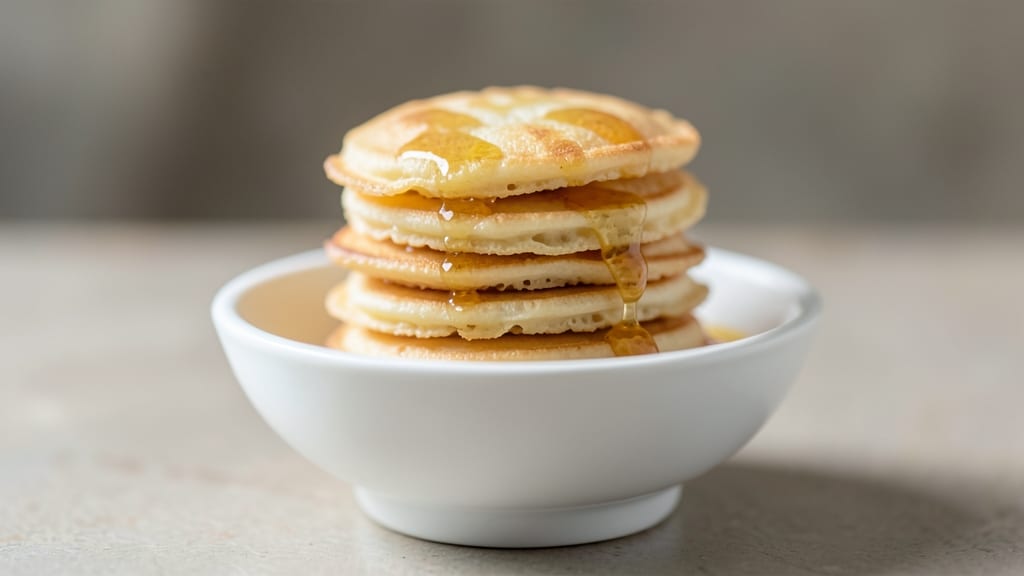
This 6-egg oil cake delivers light-as-air layers without complicated techniques—just six eggs, oil, and a single bowl. The secret lies in the gentle frying method, creating delicate, fluffy layers that separate naturally for a restaurant-worthy texture.
I perfected this recipe after years of experimenting with traditional egg cakes, and it never fails to impress. What sets this apart is the minimal prep: no folding, no whipping, just a simple batter that transforms into delicate, golden layers when fried.
The oil creates a subtle crispness while keeping the interior impossibly tender. It’s the kind of dessert that feels luxurious but comes together in under 30 minutes.
The result is a stack of crisp-edged, melt-in-your-mouth layers that can be served sweet (with honey or fruit) or savory (with herbs and spices). The eggs provide structure and richness, while the oil ensures a perfect balance of texture. Perfect for brunch, dessert, or even a light lunch.
Whether you’re baking for a special occasion or just craving something delicate and satisfying, this recipe delivers foolproof results every time. Let’s get started!
Ingredients for 6 egg cake recipe with oil
Six eggs, refined oil, and minimal prep create delicate layers that separate naturally for restaurant-quality texture.
| Ingredient | Amount | Notes |
|---|---|---|
| Large Eggs 🥚 | 6 whole | Room temperature for even cooking |
| Vegetable Oil 🫒 | 1 ½ cups | Refined, high smoke point preferred |
| All-Purpose Flour 🌾 | 1 ½ cups | Sifted, light texture preferred |
| Granulated Sugar 🍚 | ¾ cup | Fine grain for smooth batter |
| Unsalted Butter 🧈 | ½ cup | Cold, cubed for precise measurement |
| Vanilla Extract 🌸 | 1 tbsp | Pure vanilla preferred |
| Baking Powder 🍞 | 1 tsp | Freshly opened for leavening |
| Salt 🧂 | ¼ tsp | Fine sea salt preferred |
| Lemon Zest 🍋 | 1 tbsp | Freshly grated from organic lemon |
| Milk 🥛 | ½ cup | Whole milk for richness |
| Honey 🍯 | 2 tbsp | Light, runny consistency |
The eggs are the foundation—use large eggs at room temperature for even cooking and optimal layer separation. King Arthur or Bob's Red Mill flour yields the lightest texture, but any all-purpose flour works in a pinch. For the oil, Avocado Brand or Crisco are ideal due to their high smoke points, though any neutral vegetable oil suffices. The butter should be cold and cubed to prevent premature melting, which can disrupt the delicate batter structure. Lemon zest adds brightness without overpowering, so organic lemons with vibrant rinds are preferred, though conventional works fine.
No vanilla extract? Vanilla bean paste or even vanilla sugar can substitute, though pure extract delivers the most authentic flavor. Short on milk? Heavy cream or even water will maintain moisture, though milk's richness is ideal. The honey should be light and runny—dark honey may alter the cake's subtle sweetness. For a savory variation, omit the honey and add dried herbs like thyme or rosemary instead. The baking powder must be freshly opened; if older than six months, replace it entirely to ensure proper rise.
Store the cake in an airtight container at room temperature for up to 3 days, though it's best enjoyed fresh. For longer storage, wrap each layer individually in parchment paper and freeze for up to 2 months. Reheat layers gently in a 200°F oven for 5-7 minutes to restore crispness. The layers separate best when fried in small batches—don't overcrowd the pan, or they'll steam rather than crisp.
Why You'll Love This Recipe
- Uses what you already have: flour, sugar, eggs, oil. I’ve made this for potlucks, last-minute guests, and even packed slices for lunch. Zero waste, all win.
- No Mixer Needed: I swear by this recipe when my hands are full—just whisk the eggs and flour with a fork. The oil keeps the batter light without needing to cream butter and sugar first.
- Rich Without Overpowering: That butter-oil combo? It’s like a hug for your taste buds—creamy but not greasy, sweet but not cloying. The eggs bind it all so it stays moist for days.
- Breakfast or Dessert: Serve it warm with jam for breakfast or dusted with powdered sugar as a quick treat. My kids ask for it both mornings and after school—no judgment here.
Step-by-step instructions for light-as-air oil cake
This one-bowl method delivers tender, moist layers with perfect rise every time.
Whisk Eggs and Sugar Until Pale and Ribbon-Like
In a large mixing bowl, combine the 6 whole Large Eggs and 0.75 cup Granulated Sugar. Using an electric mixer on medium-high speed, beat for 3-4 minutes until the mixture becomes thick, pale, and forms ribbons when the whisk is lifted. This step incorporates air, which creates the cake's signature light texture.
The mixture should nearly double in volume and leave a trail that holds its shape for several seconds. I press the whisk against the batter to check consistency—if it holds a peak, you're ready to proceed. Avoid overmixing at this stage, as it can develop gluten and make the cake dense.
Gradually Add Oil and Butter While Mixing
With the mixer still running on medium-high speed, slowly pour in the 1.5 cups Vegetable Oil and 0.5 cup Unsalted Butter (cut into small cubes). Continue mixing for 2-3 minutes until the mixture is completely smooth and homogeneous. The oil and butter should be fully incorporated, leaving no streaks.
This gradual addition prevents the batter from curdling and ensures the fat distributes evenly. I like to scrape down the sides of the bowl with a silicone spatula every 30 seconds to maintain consistent mixing. The batter should now be thick and glossy, with a smooth, uniform texture.
Fold in Dry Ingredients and Lemon Zest
In a separate bowl, sift together the 1.5 cups All-Purpose Flour, 1 tsp Baking Powder, and 0.25 tsp Salt. With the mixer on low speed, gradually add the dry ingredients to the wet mixture, mixing just until combined. Avoid overmixing—you should still see small streaks of flour. Finally, fold in the 1 tbsp Lemon Zest using a rubber spatula.
The lemon zest adds a bright, aromatic note that balances the richness of the oil and butter. I press the spatula against the bottom of the bowl to ensure all the zest is fully incorporated. The batter should now be smooth, with a light, airy consistency that clings to the spatula in ribbons.
Incorporate Wet Ingredients and Honey
Add the 0.5 cup Milk, 1 tbsp Vanilla Extract, and 2 tbsp Honey to the batter. Mix on low speed for 30-45 seconds until just combined. The honey will add subtle sweetness and moisture, while the vanilla extract enhances the overall flavor profile. The batter should now be thick but pourable, with a glossy sheen.
I like to give the batter one final scrape around the bowl to ensure everything is evenly distributed. The batter should be smooth, with no lumps or streaks remaining. At this stage, it should be thick enough to hold its shape when dropped from a spoon but still flow easily when poured.
Bake in Prepared Pans for Even Rise
Preheat your oven to 350°F. Grease two 9-inch round cake pans with vegetable oil and line the bottoms with parchment paper. Divide the batter evenly between the pans, filling each about two-thirds full. Bake for 30-35 minutes, or until a toothpick inserted into the center comes out clean and the tops spring back when touched.
The cake should rise evenly, with a golden top and slightly domed shape. I recommend checking for doneness at the 28-minute mark, as ovens vary. Once baked, remove the cakes from the oven and let them cool in the pans for 10 minutes before transferring to a wire rack to cool completely. This gradual cooling prevents cracking and ensures a tender crumb.
Pro Tips For Making 6 Egg Cake Recipe With Oil
- Whisk Eggs Until Ribbon Stage: I learned this the hard way—when the batter looks lumpy, your cake will be dense. Beat the eggs and sugar with a hand mixer on medium-high for 3-4 minutes until the mixture falls in a thick ribbon when you lift the whisk. This isn’t just about fluff; it’s what makes the texture light and tender.
- Preheat Pan with Oil: Skip the dry pan, and you’re asking for sticking. Heat your 8-inch round pan (or similar) on medium-low, then add 1 tablespoon of vegetable oil and swirl it around until the entire surface is coated—even the sides. The oil should shimmer but not smoke, or you’ll burn the bottom before the cake sets.
- Fold, Don’t Stir, the Flour: Dumping flour in and mixing aggressively = tough cake. Sift the flour over the egg mixture in 3 additions, then gently fold with a spatula just until combined. You’ll see streaks of white—those are your friends. Overmixing develops gluten, and this cake doesn’t need it.
- Bake at 325°F, Not Higher: I was skeptical until I tried it: 350°F makes the outside set too fast while the center stays raw. Stick to 325°F for even cooking, and use the toothpick test—insert it in the center at the widest part of the cake. If it comes out with a few moist crumbs but no wet batter, you’re golden.
Wine and beer pairings for this recipe
Sweet Wine Pairings
This delicate cake pairs beautifully with Moscato d'Asti—its light effervescence and subtle honeyed notes complement the cake's delicate sweetness without overpowering it. I love serving it with a chilled glass of this Italian sparkling wine, as the bubbles cleanse your palate between each fluffy layer.
For a more robust option, try a Sauternes from Bordeaux, where the wine's luscious honey and apricot flavors mirror the cake's subtle sweetness and texture. 🍷
Dessert-Style Beer Options
Craft Belgian witbiers like Hoegaarden or Stella Artois work surprisingly well with this cake—their citrusy coriander and light maltiness balance the richness of the oil and butter.
For a bolder beer pairing, opt for a Belgian Dubbel like Westmalle Dubbel, where the caramel and dark fruit notes enhance the cake's honeyed sweetness. Serve both cake and beer slightly chilled for the best experience. 🍺
Coffee and Liqueur Enhancements
If you prefer something stronger, a sip of espresso after each bite cuts through the cake's richness while highlighting its vanilla and lemon notes. For a luxurious touch, drizzle the cake with honey-infused Grand Marnier or Cointreau before serving—just 1 tsp per layer adds a sophisticated citrus depth.
I often prepare a small pitcher of vanilla syrup (simmer ½ cup sugar with 1 cup water and 1 vanilla bean) to serve alongside for dipping. ☕
Savory Twist Pairings
For the savory version (omit honey, add herbs), pair with a dry Riesling like Dr. Loosen Blue Slate—its crisp acidity and mineral notes contrast beautifully with the cake's subtle savory depth.
A light lager such as Peroni or Corona also works well, as the beer's mild bitterness complements the herbs without competing. Serve with a side of whipped goat cheese or herb-infused crème fraîche for an elevated appetizer. 🌿
Seasonal Wine Adaptations
In spring, a Pinot Grigio from Friuli-Venezia Giulia shines with its bright acidity and floral notes, perfect for the cake's citrusy lemon zest. For summer, a Rosé like Whispering Angel adds a refreshing, fruity contrast to the cake's richness.
In fall, a late-harvest Riesling with its honeyed sweetness and spice echoes the cake's warm, caramelized flavors. Always chill your wine for 30-45 minutes before serving to enhance its crispness. 🍇
Non-Alcoholic Pairings
For a non-alcoholic option, serve the cake with sparkling apple cider—its effervescence and subtle sweetness mirror the cake's delicate texture. A chilled hibiscus iced tea (steep 4 dried hibiscus flowers in 4 cups hot water with 2 tbsp honey) adds a tart, floral contrast that brightens each bite.
For a creamy pairing, offer vanilla bean ice cream or coconut milk yogurt on the side. 🍹
Nutrition facts
Frequently asked questions
Why does this recipe use oil instead of butter for frying?
Oil creates a lighter, crispier texture for the layers while keeping the interior impossibly tender. Unlike butter, oil has a higher smoke point, preventing burning during frying. The refined oil also ensures a neutral flavor that lets the eggs and lemon zest shine.
Can I make this cake without an electric mixer?
Yes! Whisk the eggs and sugar by hand for 5-7 minutes until pale and ribbons form. For the oil and butter, use a wooden spoon to stir vigorously. The key is patience—whisking by hand requires more time but achieves the same air incorporation for light layers.
How do I prevent the layers from sticking together?
Let the cake cool completely in the pans for 1 hour before separating. Use a thin, sharp knife or offset spatula to gently slide between layers. Store layers in an airtight container with parchment paper between them to maintain crispness.
What's the secret to getting perfectly crisp edges?
Fry the batter in a nonstick pan over medium-low heat until golden brown on both sides. The oil should be hot enough to sizzle but not smoke. For extra crispness, add 1 tbsp cornstarch to the batter before frying.
Can I make this cake gluten-free?
Yes! Replace the all-purpose flour with a 1:1 gluten-free baking flour blend (like Bob's Red Mill). Add ½ tsp xanthan gum to improve texture. Note the layers may be slightly denser, but the flavor remains delicious.